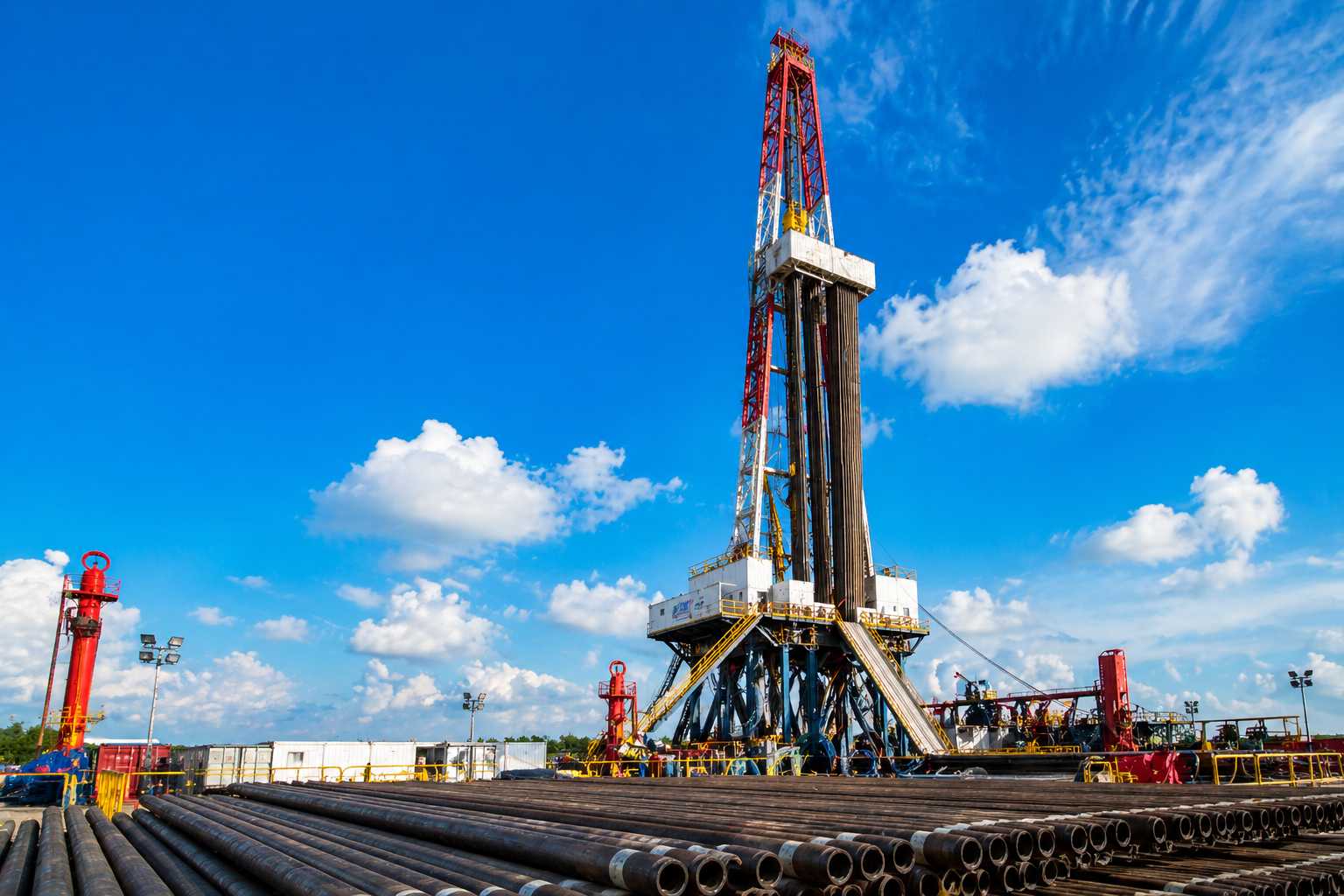
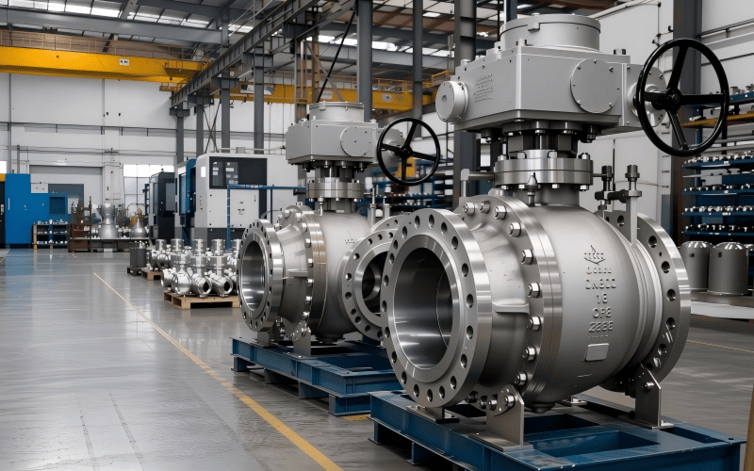

Laser cladding technology is widely used in the valve industry to improve the performance of critical sealing surfaces and vulnerable components. By fusing alloy powder onto the surfaces of valve bodies, seats, and other components, wear resistance, corrosion resistance, and erosion resistance can be significantly improved, extending service life. Compared to traditional welding or spraying processes, laser cladding offers advantages such as a smaller heat-affected zone, lower dilution rate, and higher bonding strength, enabling precise repair and reinforcement. This technology is particularly suitable for harsh operating conditions in the petroleum, chemical, and power industries, effectively reducing equipment maintenance costs and improving the reliability and safety of system operation.

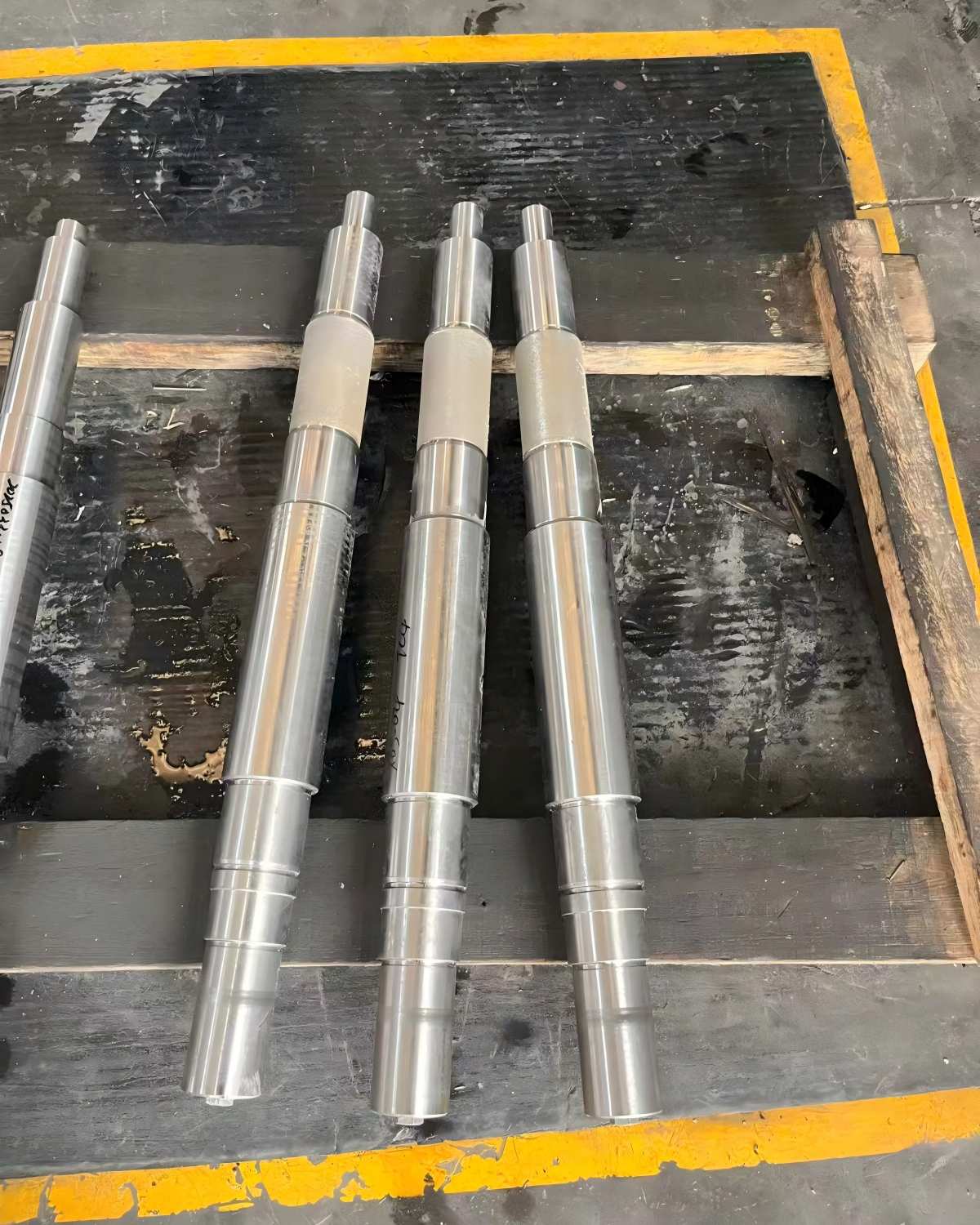
| Evaluation Item | Titanium Alloy Substrate | Laser-Clad Layer on Titanium Alloy | Surface Performance Enhancement |
| Clad Layer Thickness | N/A | Average: 875.50 μm (approx. 0.88 mm) | Creates a wear- and corrosion-resistant protective layer |
| Microstructure | Base-material microstructure | Dendritic microstructure | Forms a dense clad microstructure |
| Metallurgical Bonding | N/A | Good fusion with the substrate | Creates a strong metallurgical bond with the substrate |
| Inclusions | — | Minor inclusions observed | No significant effect on overall bonding integrity (based on test results) |
| Substrate Hardness (HV0.3) | 201 HV | 201 HV | Substrate properties remain stable |
| Clad Layer Hardness (HV0.3) | N/A | 499 HV | Surface hardness is significantly increased |
| Surface Hardness Increase | 201 HV | 499 HV | Approx. 148% increase (2.48× the original value) |
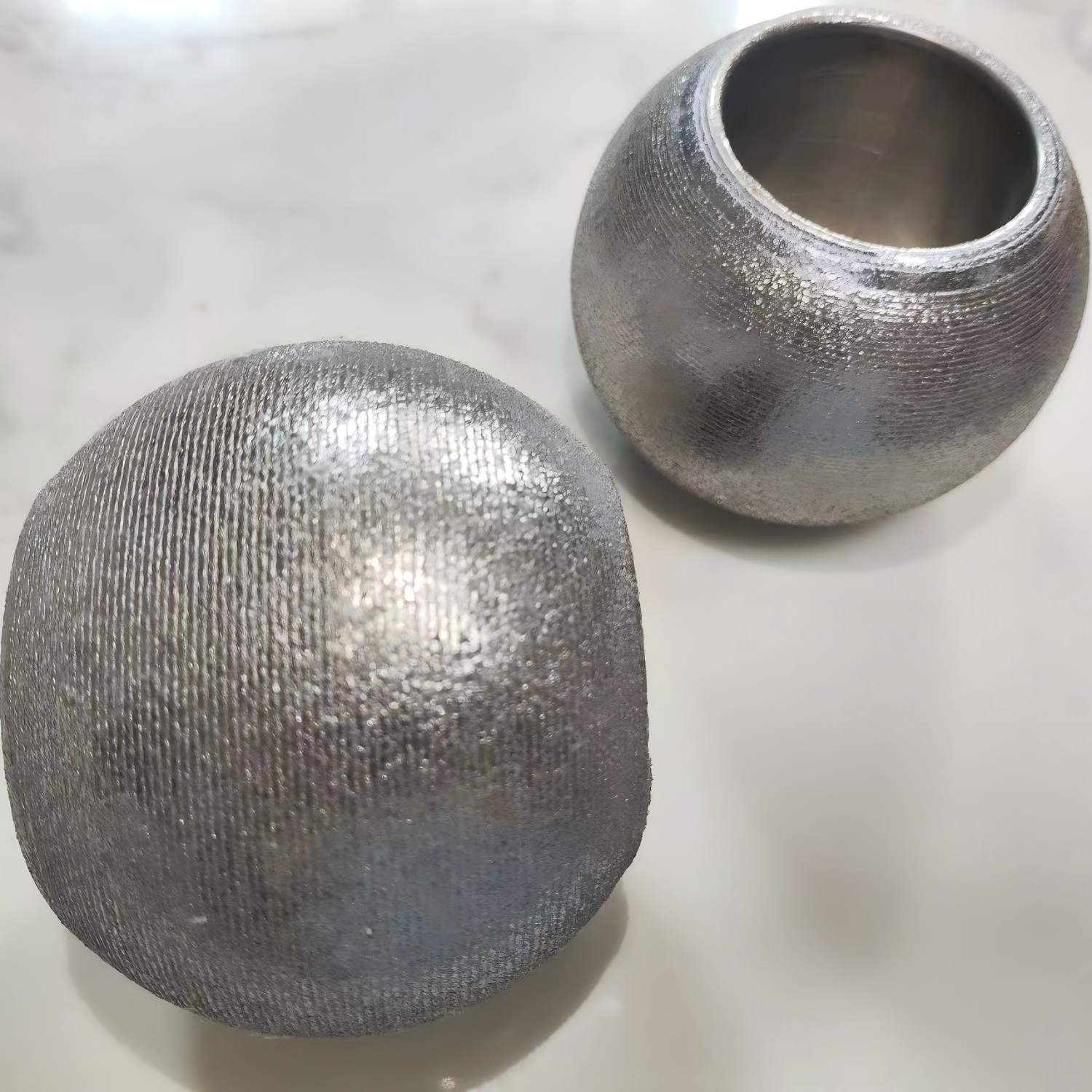
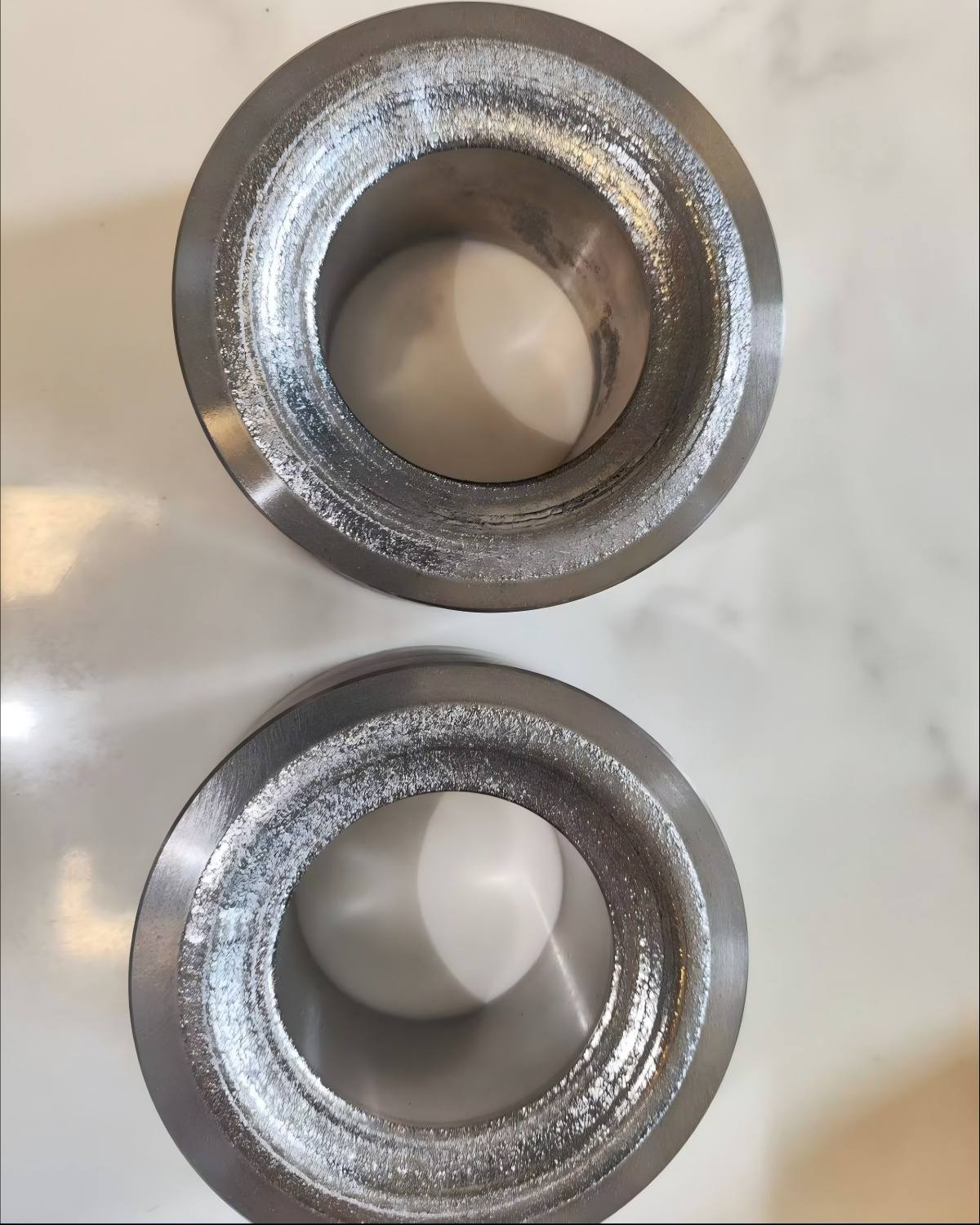
Laser cladding for titanium alloy valve components such as ball valves, valve seats, shafts and other critical parts can restore worn surfaces while enhancing wear, corrosion and cavitation resistance. The metallurgically bonded coating provides durable surface protection, supports sealing reliability and helps extend component service life. For high-value valve parts, localized repair can also reduce replacement frequency, maintenance time and unplanned downtime.

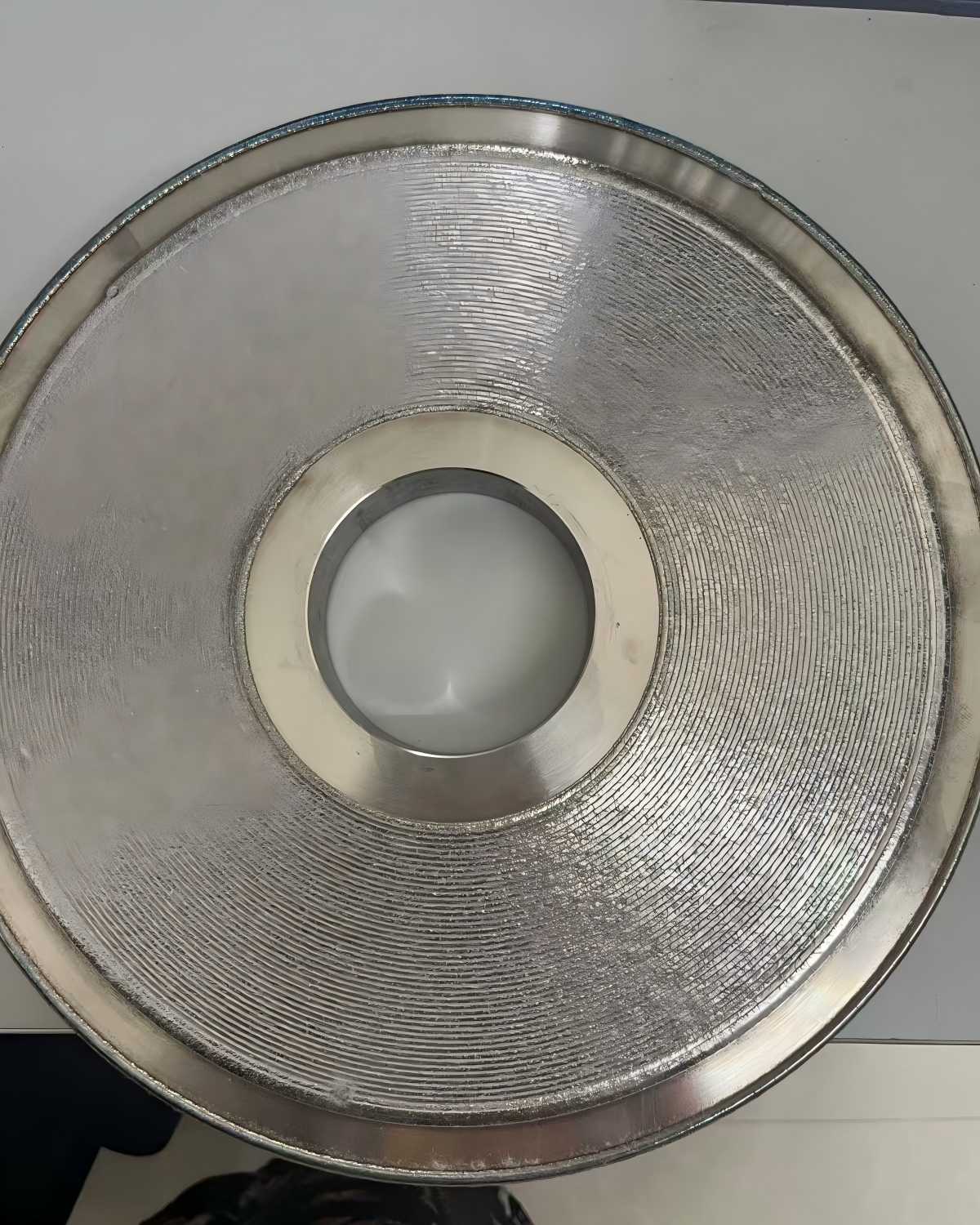
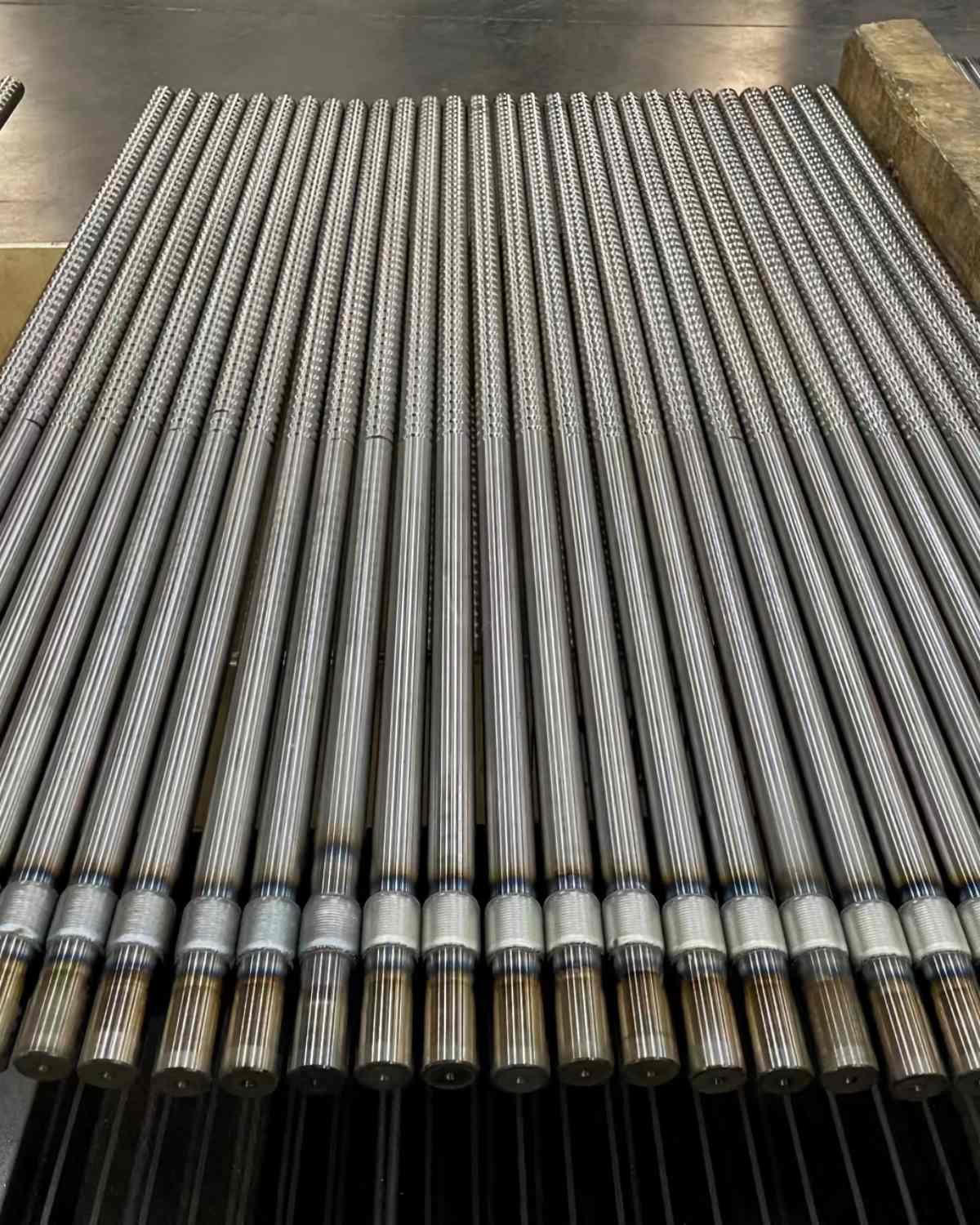
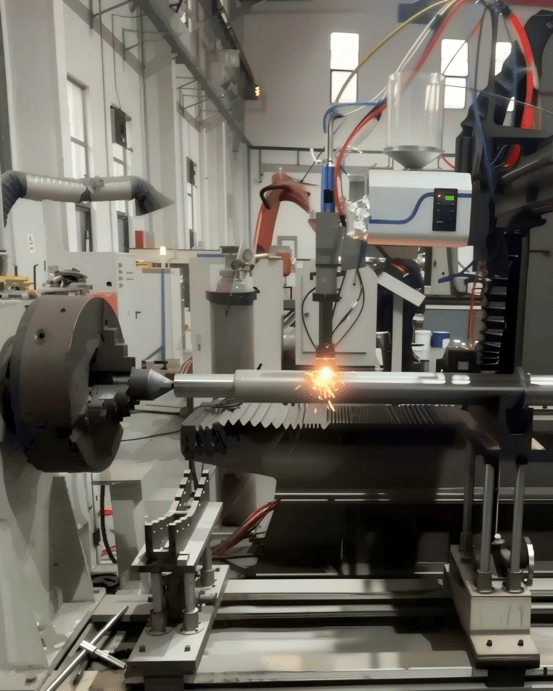
Laser cladding is an ideal solution for repairing and enhancing critical valve components exposed to extreme conditions, including high temperatures, high pressure, corrosion, and wear. With a high-strength metallurgical bond, laser cladding significantly improves surface performance, extends component service life, and reduces maintenance costs.
Why Laser Cladding for Valve Hardfacing and Repair
Compared with many conventional weld-hardfacing methods, laser cladding can deliver highly localized energy input, a relatively
small heat-affected zone and low dilution while forming a metallurgical bond with the substrate. These characteristics are
especially valuable for precision valve components where coating chemistry, distortion, sealing geometry and machining
allowance need to be controlled.
Key Benefits for Valve Manufacturers and Repair Shops
• Localized hardfacing on sealing bands, spherical surfaces, stems, bores and other critical areas.
• Lower dilution helps retain the intended chemistry and performance of expensive cobalt- or nickel-based coatings.
• Reduced thermal distortion can simplify subsequent machining and help protect tight dimensional tolerances.
• Strong metallurgical bonding supports demanding wear, erosion and corrosion environments.
• Suitable for both new component manufacturing and repair/remanufacturing of high-value valves.
• Flexible integration with CNC systems, rotary positioners and robots for different valve sizes and geometries.
Industries and Operating Environments
Valve laser cladding is relevant to oil and gas, petrochemical and chemical processing, power generation, offshore and marine
service, mining and slurry handling, and other industries where valves are exposed to high pressure, temperature
cycling, corrosive media, abrasive particles or cavitation. Application engineering should always be based on the actual valve
material and service conditions.
FAQ Topics Worth Adding to the Web Page
Q: Can laser cladding be used on ball valves and valve seats?
A: Yes. Ball surfaces, seat rings and other sealing areas are common candidates when the geometry and substrate allow
controlled laser access and subsequent finishing.
Q: Which alloys are used for valve laser cladding?
A: Common options include cobalt-based, nickel-based, iron-based and carbide-reinforced systems. Selection depends on wear,
corrosion, cavitation, emperature, substrate compatibility and machining requirements.
Q: Can worn valves be repaired instead of replaced?
A: Many high-value valve parts can be rebuilt locally by laser cladding when the substrate is sound and the repair can meet
dimensional and inspection requirements.