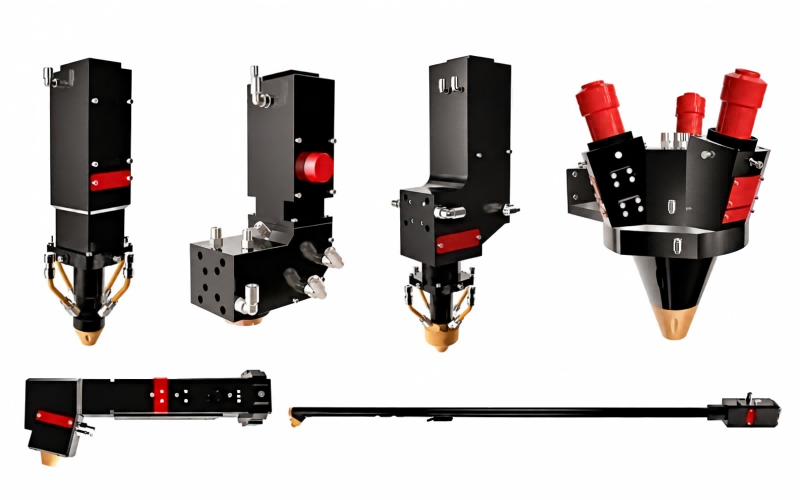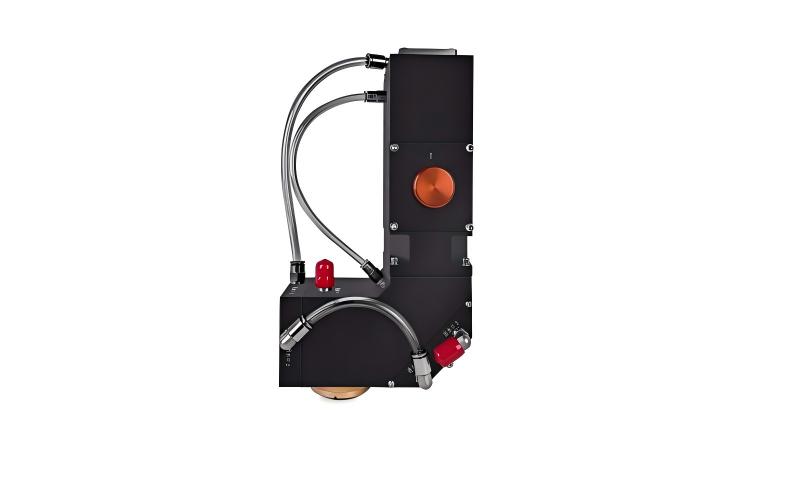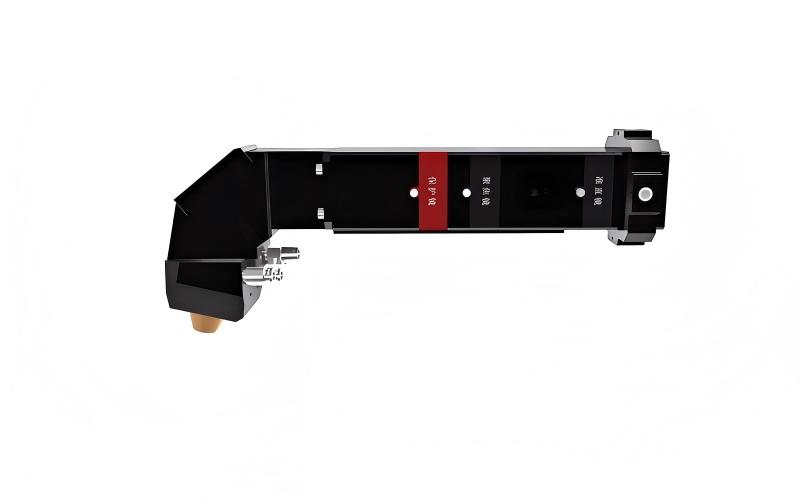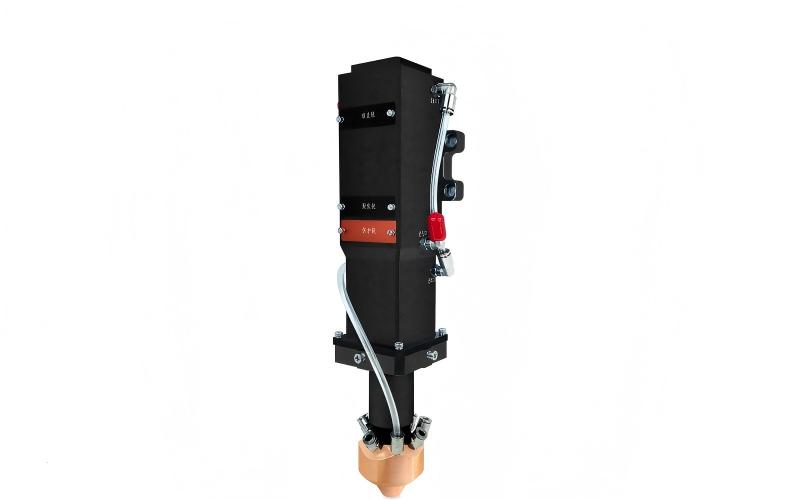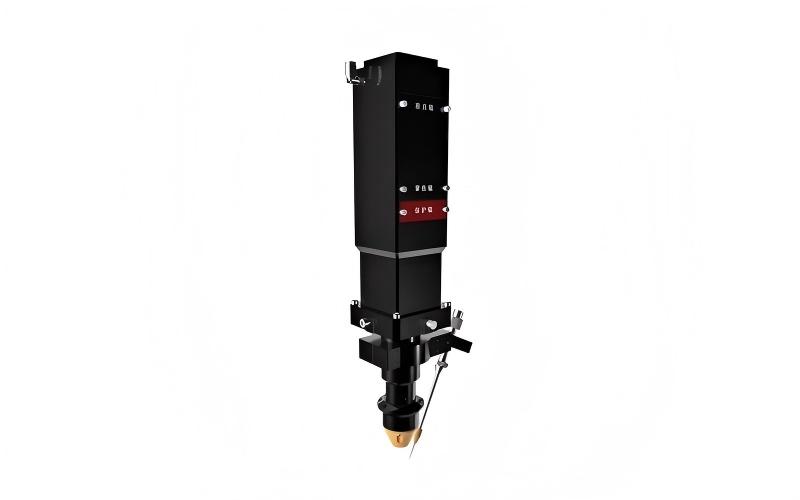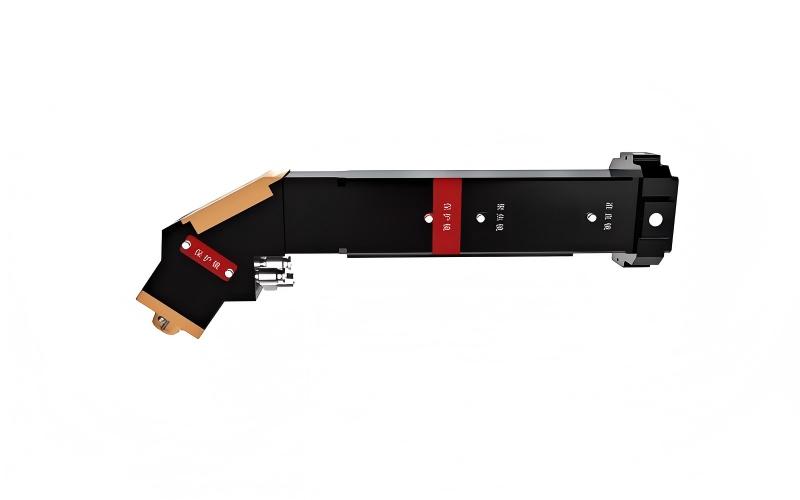
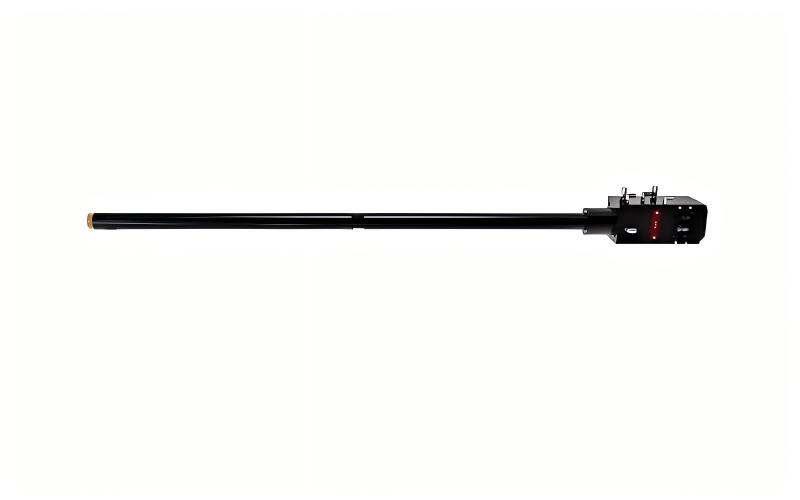
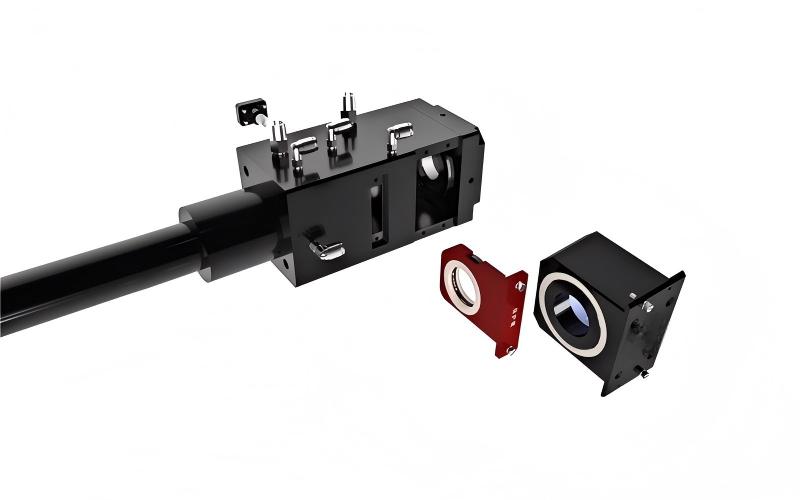

The 2-Inch Coaxial Laser Metal Deposition Head combines a reflective coaxial optical design with a dual-channel powder-feeding system that directs the powder stream precisely into the center of the laser interaction zone. Engineered for internal bore laser cladding on components with bore diameters of 50 mm and above, it supports processing depths of up to 1 m for stable and repeatable deep-bore laser cladding.
Its compact coaxial architecture enables consistent powder delivery in narrow and difficult-to-access internal geometries. Controlled heat input limits thermal exposure to the substrate, helping produce high-quality, low-distortion cladding layers while preserving dimensional accuracy, process consistency, and component integrity.
Designed for high-precision internal surface enhancement, localized repair, and remanufacturing, this coaxial powder-fed laser cladding head for deep internal bores is suitable for small-diameter cylindrical and tubular components. For OEMs, repair centers, and system integrators, it provides a practical solution where compact access, long processing reach, and repeatable internal deposition quality are critical.

|
|
| |||
| Beam Quality | Process Monitoring | Material Compatibility | |||
Optimized optical design provides stable beam delivery and uniform energy distribution. The beam profile and spot size are matched to the head design and target application. | Optional monitoring functions can include lens temperature monitoring, molten pool observation, process temperature sensing, and real-time process feedback to improve operating stability and process consistency. | Compatible with a wide range of metallic materials, including iron-based, nickel-based, cobalt-based, copper-based, and titanium alloys, depending on the head setup, laser parameters, and feeding method. | |||
|
|
| |||
| Modular Design | Thermal Management & Protection | Industrial Integration | |||
The optical system, cooling structure, monitoring components, and material delivery modules are designed for convenient assembly, maintenance, and replacement. Modular construction also makes customized configurations easier for different industrial applications. | Efficient water cooling helps maintain stable operating temperatures during continuous processing. Protective design features can include dust resistance, spatter protection, sealing structures, and optional thermal monitoring for reliable operation. | Designed for CNC machines, robots, positioners, and automated laser systems. Optical interfaces, working distance, beam setup, and material feeding can be tailored for the application. |





Model | Performance Parameters |
Power Options | 3 kW |
Fiber Interface | QBH |
Spot Size | ~ Φ4 |
Outer Dimension(mm) | 1300×80×80 |
Machinable Inner Hole Diameter(mm) | ≥Φ50 |
Operating Wavelength(nm) | 1080 |
Cooling Type | Water cooling |
Water Quality Requirements | Pure water |

Small-diameter bores
Valve seats
Precision sleeves
Injection molds
Aerospace bushings
Small precision components

Q1: What is the minimum internal diameter and maximum processing depth of this 2-inch coaxial deposition head?
A1: This head is specifically engineered for extremely confined internal surfaces with a minimum diameter of just 50 mm (approximately 2
inches), while supporting processing depths of up to 1 meter (≈39 inches). This makes it ideal for deep-bore cladding applications such
as hydraulic cylinder barrels, pipeline interiors, precision small-diameter bores, and remanufacturing of deep, narrow internal components.
Q2: What materials can be deposited with this 2-inch coaxial head for small-bore internal repair?
A2: This head supports a wide range of materials, including iron-based, nickel-based, cobalt-based, copper, titanium alloys, and other metal
powders. It is particularly well-suited for high-precision remanufacturing applications where component integrity, wear resistance, and
dimensional accuracy are critical — such as mining hydraulic supports, power transmission shafts, and thin-walled tubular components.