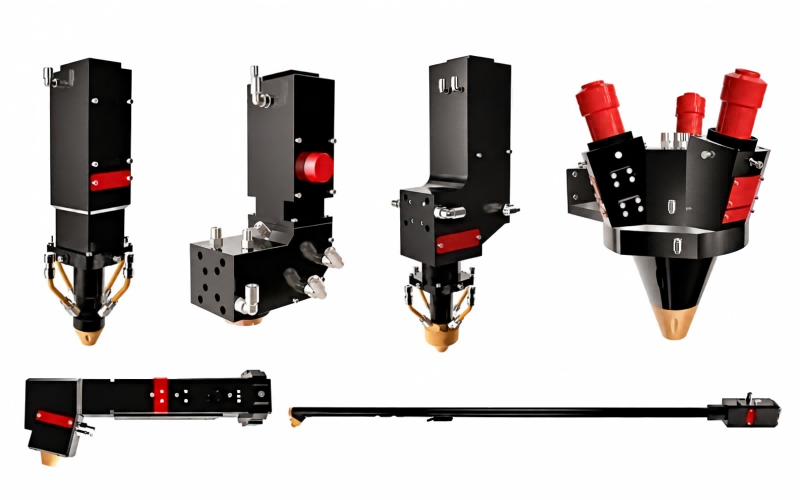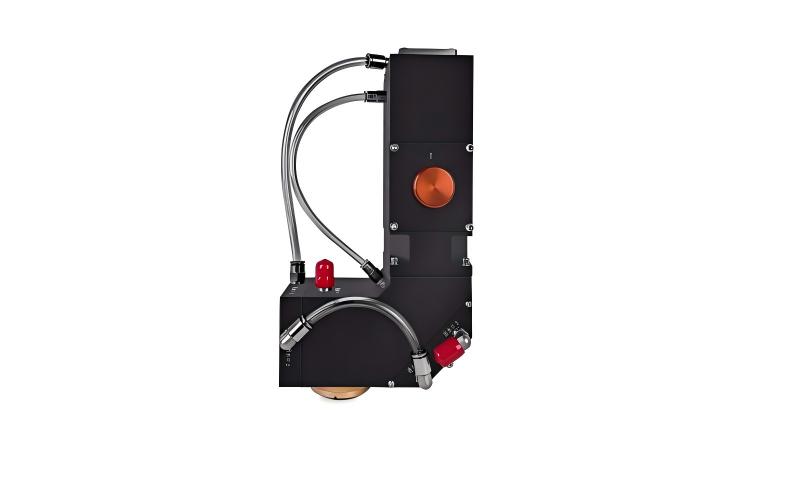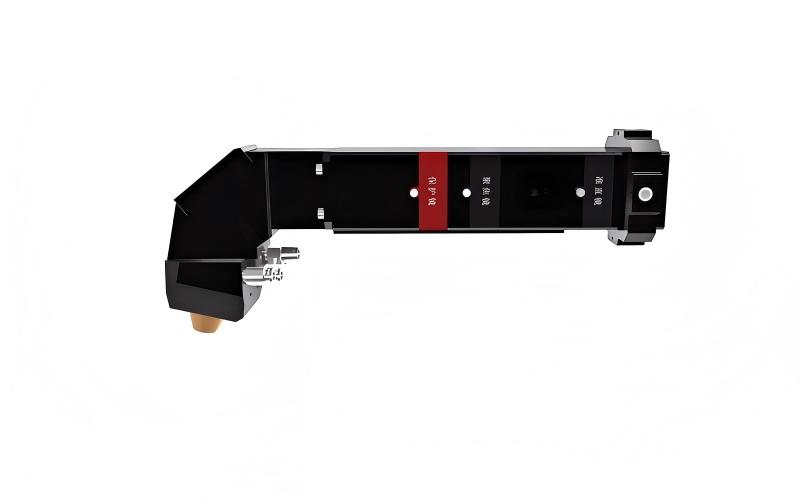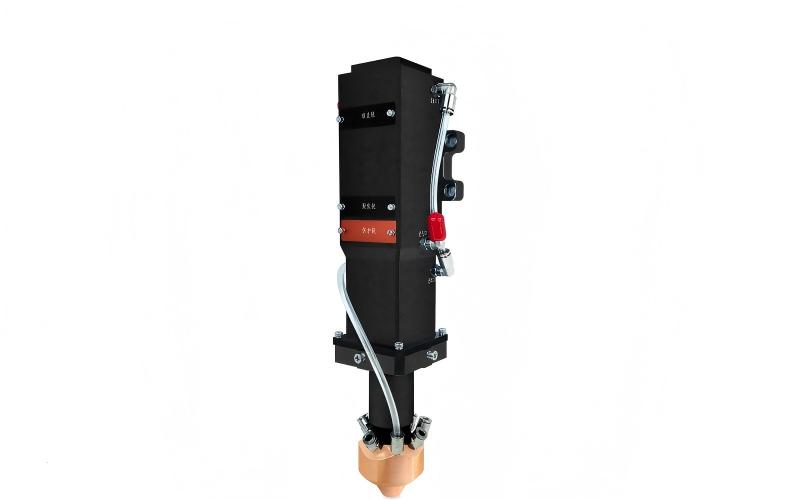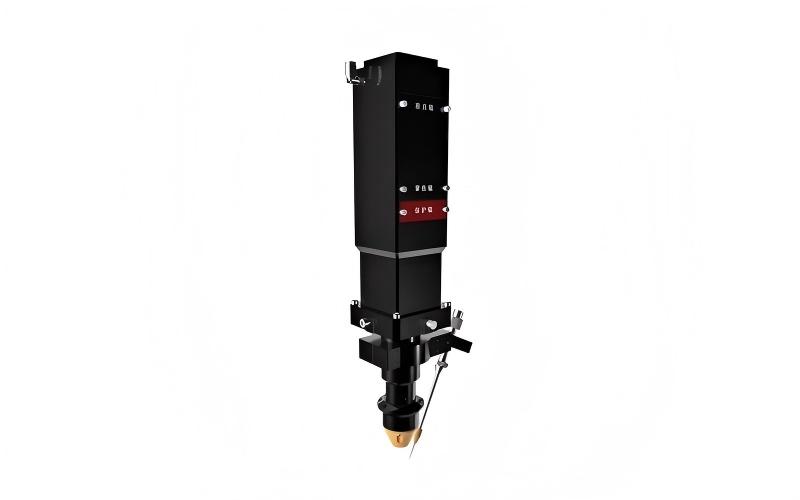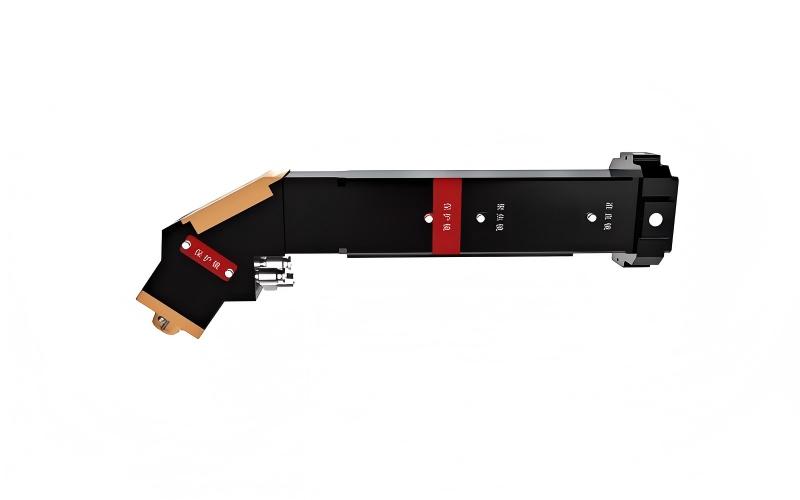
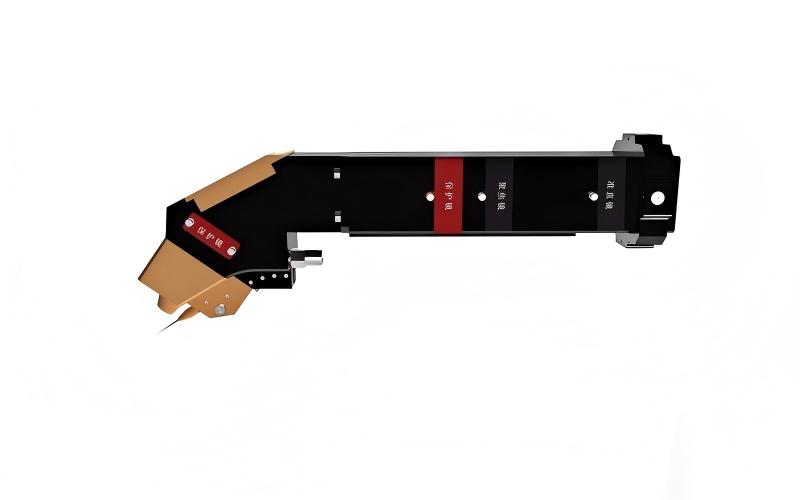
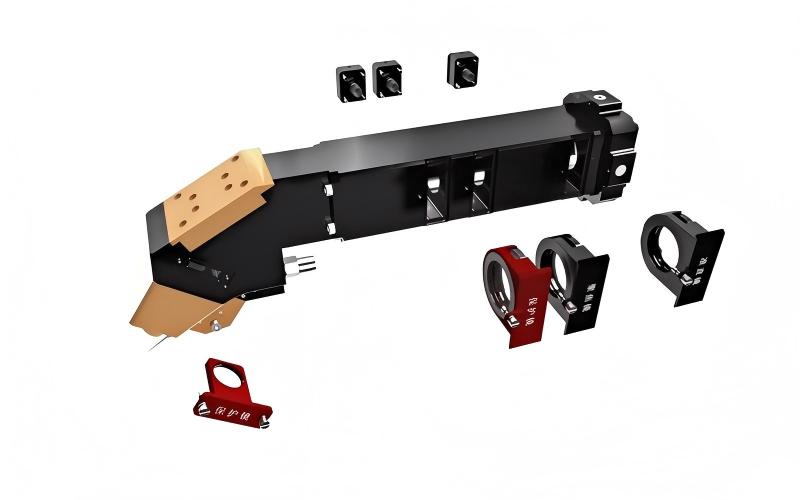
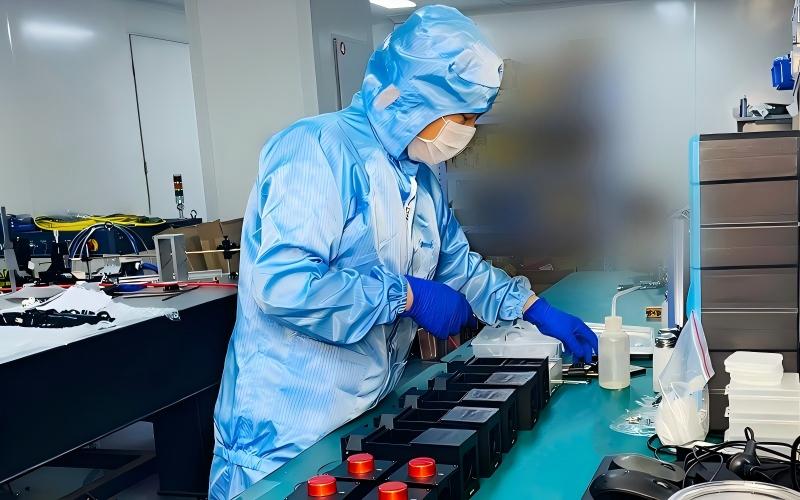

The Coaxial Wire-Fed DED Head for Internal Cylindrical Cladding is a high-speed directed energy deposition head with a reflective optical design, engineered for internal bore laser cladding on cylindrical components with diameters of 180 mm and above. Its wire delivery architecture achieves up to 100% wire utilization, avoiding powder overspray while supporting stable vertical deposition and repeatable cladding quality. The head produces smooth, low-distortion cladding layers and helps reduce material waste and feedstock costs.
It is particularly suited to copper-based, aluminum-based, and titanium-based alloys, providing a flexible DED solution for non-ferrous alloy deposition across different hardness targets and service conditions. Typical applications include internal surface enhancement, localized repair, and remanufacturing of large-bore cylinders, sleeves, and other tubular components.
For manufacturers and repair centers seeking a wire-fed laser cladding head for internal bore repair and remanufacturing, it combines high material efficiency, stable deposition, low distortion, and broad non-ferrous alloy compatibility.

|
|
| |||
| Beam Quality | Process Monitoring | Material Compatibility | |||
Optimized optical design provides stable beam delivery and uniform energy distribution. The beam profile and spot size are matched to the head design and target application. | Optional monitoring functions can include lens temperature monitoring, molten pool observation, process temperature sensing, and real-time process feedback to improve operating stability and process consistency. | Compatible with a wide range of metallic materials, including iron-based, nickel-based, cobalt-based, copper-based, and titanium alloys, depending on the head setup, laser parameters, and feeding method. | |||
|
|
| |||
| Modular Design | Thermal Management & Protection | Industrial Integration | |||
The optical system, cooling structure, monitoring components, and material delivery modules are designed for convenient assembly, maintenance, and replacement. Modular construction also makes customized configurations easier for different industrial applications. | Efficient water cooling helps maintain stable operating temperatures during continuous processing. Protective design features can include dust resistance, spatter protection, sealing structures, and optional thermal monitoring for reliable operation. | Compatible with CNC machines, robots, positioners, and automated laser systems. Optical interfaces, working distance, beam setup, and wire feeding can be tailored to the application. |




Model | Performance Parameters |
Power Options | 6 kW/12 kW |
Fiber Interface | LOE |
Spot Size | ~ Φ6.5 |
Outer Dimension(mm) | 340×150×75 |
Machinable Inner Hole Diameter(mm) | Φ180 |
Operating Wavelength(nm) | 1080 |
Cooling Type | Water cooling |
Water Quality Requirements | Pure water |

Internal additive manufacturing
Thick-wall bore rebuilding
High-strength repairs
Large industrial cylinders
Precision bore restoration
High deposition efficiency

Q1: What is the advantage of a wire-fed DED head over powder-based systems for internal cylindrical cladding?
A1: Unlike powder-based systems that typically have 10–15% material loss, this coaxial wire-fed DED head achieves 100% material utilization with
zero overspray or waste. This significantly reduces operational costs — especially important when working with expensive copper-based,
aluminum-based, or titanium-based alloys. The off-axis wire feeding also eliminates powder clogging issues commonly found in internal bore
applications.
Q2: What is the minimum internal diameter this wire-fed DED head can access, and does it perform well on vertical surfaces?
A2: This head is optimized for internal surfaces with a minimum diameter of 180 mm (≈7 inches). Its coaxial wire-fed design delivers excellent
vertical deposition performance, producing low-distortion and smooth surface finishes even on non-horizontal internal bore walls — ideal for
repairing hydraulic cylinder barrels, pipe interiors, and mining components in real-world orientations.