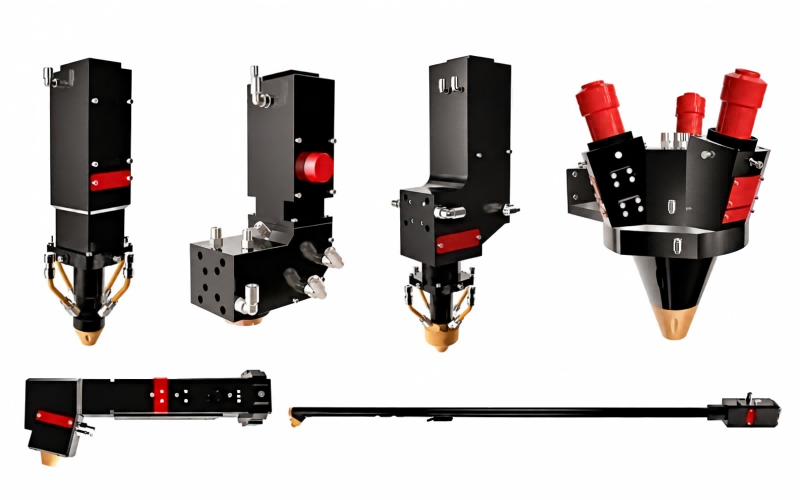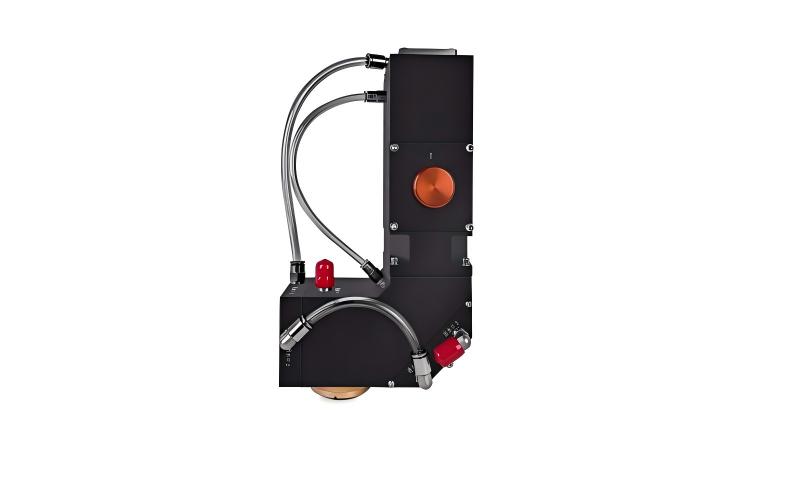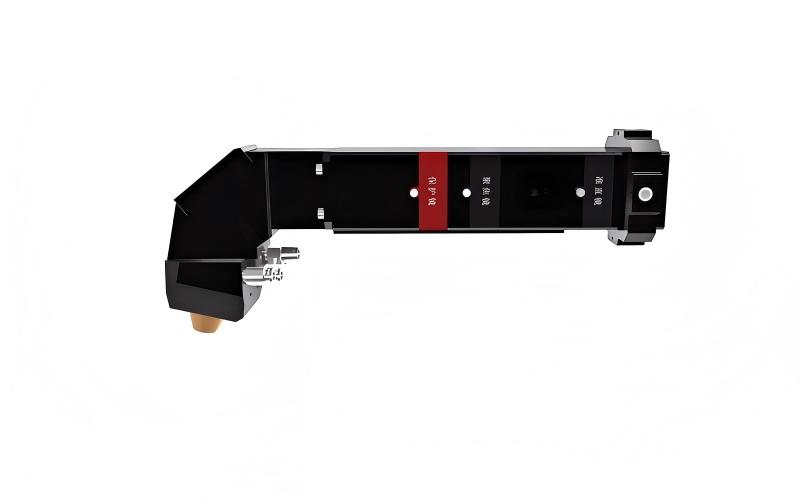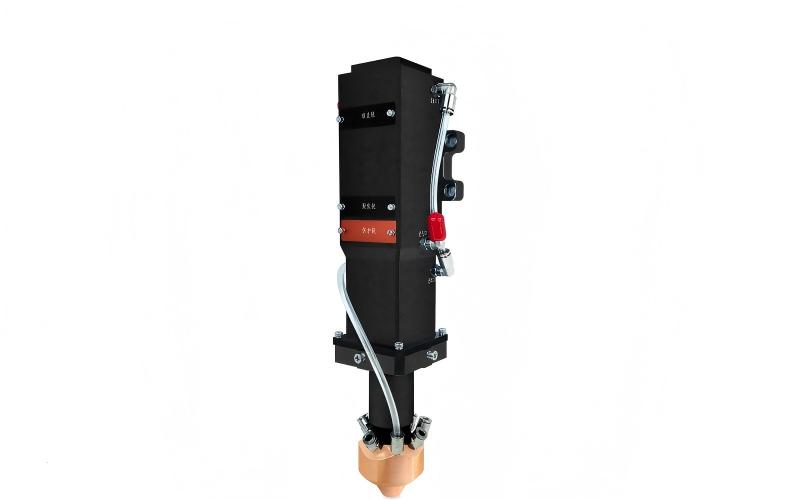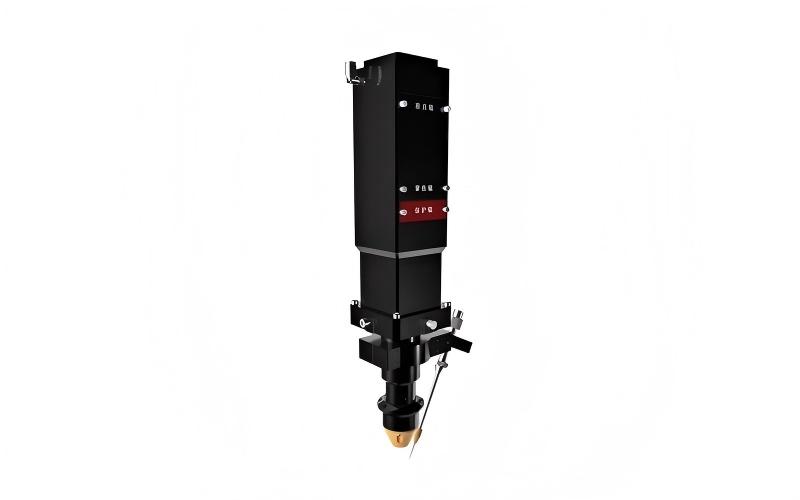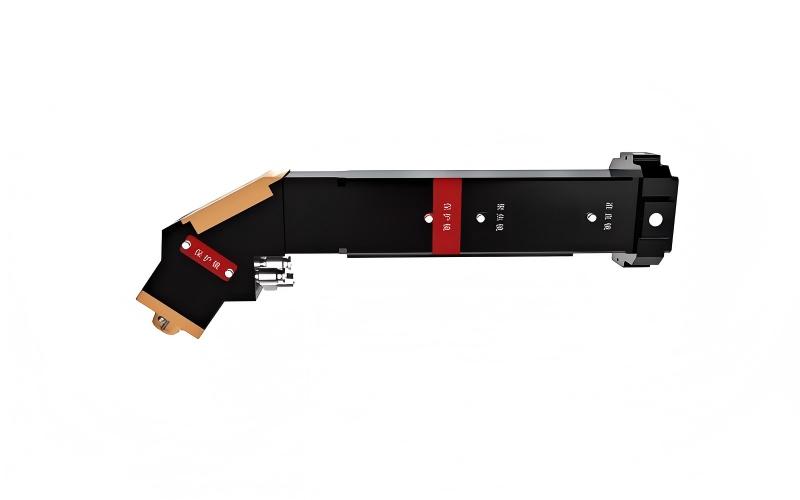
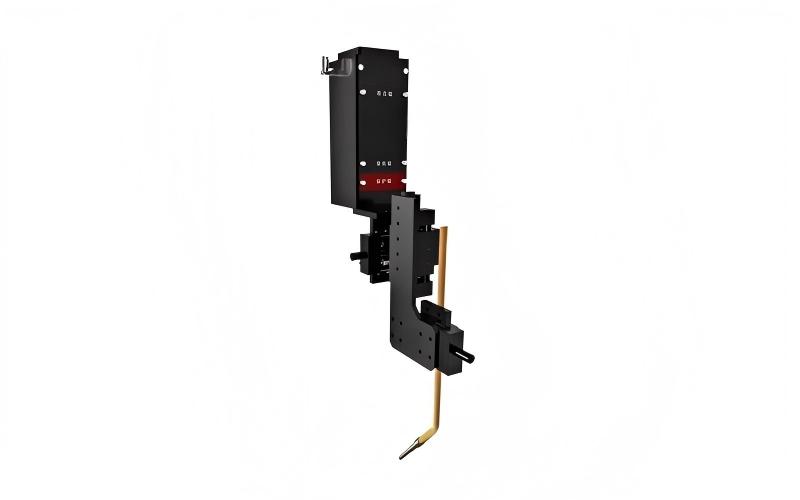
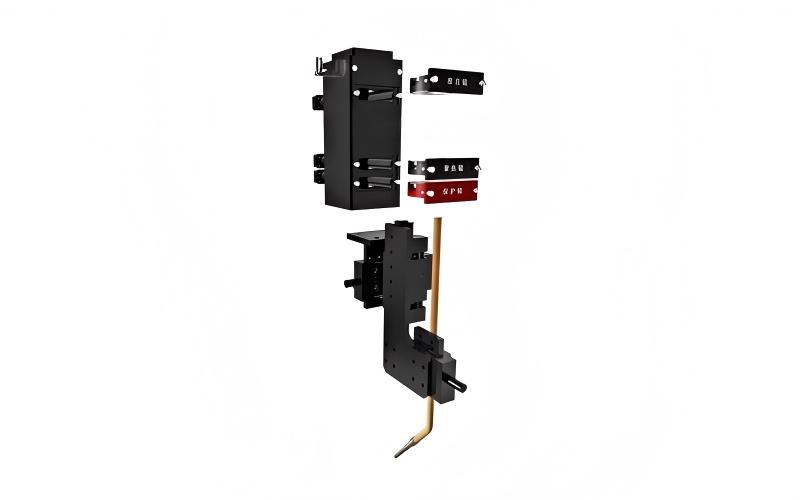
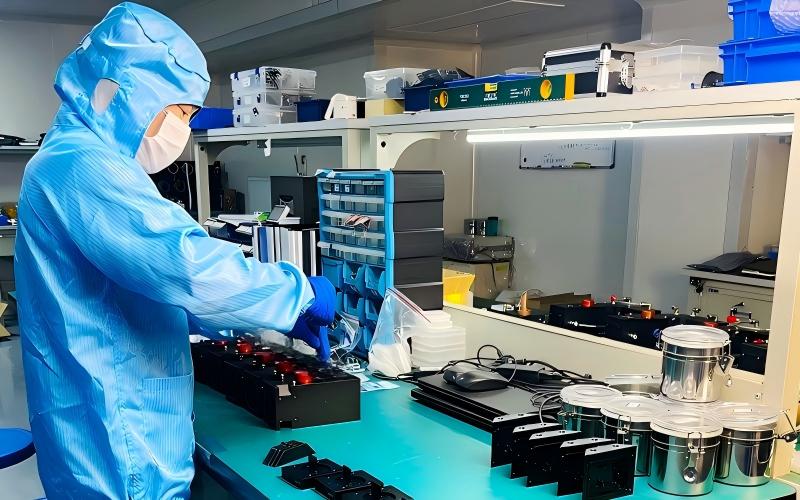

The Crankshaft Laser Cladding Head is purpose-built for crankshaft repair, remanufacturing, and surface enhancement. Its optimized optical design maintains stable energy density and a consistent beam profile within a controlled defocus range, helping ensure uniform cladding quality across crankshaft journals, fillets, and stepped surfaces with varying heights.
An off-axis powder feeding system delivers alloy powder accurately to the center of the melt pool, supporting stable deposition and seamless integration with robotic automation. Powder utilization exceeds 90%, reducing material waste while producing smooth, low-distortion cladding layers and helping minimize subsequent machining.
Compatible with a range of corrosion-resistant alloy powders, this crankshaft laser cladding solution can be adapted to different substrate materials, operating conditions, and performance requirements. It is particularly suitable for automated laser cladding for crankshaft journal repair, localized surface restoration, and high-quality crankshaft remanufacturing. For manufacturers and repair centers seeking a reliable laser cladding head for crankshaft repair, it provides consistent processing quality, efficient powder use, and flexible integration into automated production lines.

|
|
| |||
| Beam Quality | Process Monitoring | Material Compatibility | |||
Optimized optical design provides stable beam delivery and uniform energy distribution. The beam profile and spot size are matched to the head design and target application. | Optional monitoring functions can include lens temperature monitoring, molten pool observation, process temperature sensing, and real-time process feedback to improve operating stability and process consistency. | Compatible with a wide range of metallic materials, including iron-based, nickel-based, cobalt-based, copper-based, and titanium alloys, depending on the head setup, laser parameters, and feeding method. | |||
|
|
| |||
| Modular Design | Thermal Management & Protection | Industrial Integration | |||
The optical system, cooling structure, monitoring components, and material delivery modules are designed for convenient assembly, maintenance, and replacement. Modular construction also makes customized configurations easier for different industrial applications. | Efficient water cooling helps maintain stable operating temperatures during continuous processing. Protective design features can include dust resistance, spatter protection, sealing structures, and optional thermal monitoring for reliable operation. | Designed for CNC machines, robots, positioners, and automated laser systems. Optical interfaces, working distance, beam setup, and material feeding can be tailored for the application. |





Model | Performance Parameters |
Power Options | 6 kW |
Fiber Interface | LOE/QBH |
Spot Size | ~ Φ6.5 |
Outer Dimension(mm) | 310×210×75 |
Working Distance(mm) | ~400 |
Operating Wavelength(nm) | 1080 |
Cooling Type | Water cooling |
Water Quality Requirements | Pure water |

Crankshaft journals
Camshafts
Engine shafts
Marine diesel shafts
Automotive powertrain repair
Rotating engine components

Q1: Why is a specialized laser cladding head required for crankshafts compared to standard cylindrical components?
A1: Crankshafts have complex geometries with varying elevations, journals, and fillets. A standard cladding head can lose consistent energy
density when slightly defocused, leading to uneven coating quality. This crankshaft-specific head maintains a uniform beam profile and
consistent energy density even across varying surface heights — ensuring uniform processing quality on every journal and radius without
manual adjustment.
Q2: What is the powder utilization rate of this crankshaft cladding head, and what corrosion-resistant materials does it support?
A2: This head achieves powder utilization exceeding 90% thanks to its off-axis powder feeding design that delivers powder precisely to the melt
pool center — minimizing waste on high-value crankshafts. It is compatible with various corrosion-resistant powders including iron-based,
nickel-based, cobalt-based, and copper alloys, allowing you to meet diverse crankshaft performance requirements for marine, automotive,
and power generation applications.