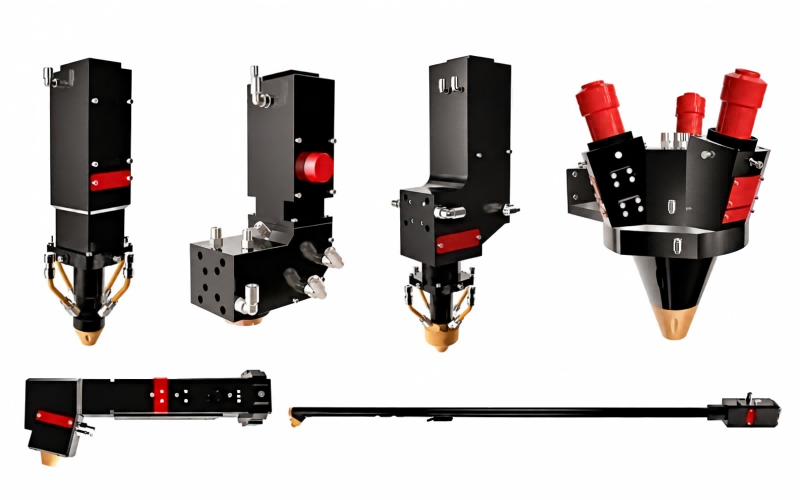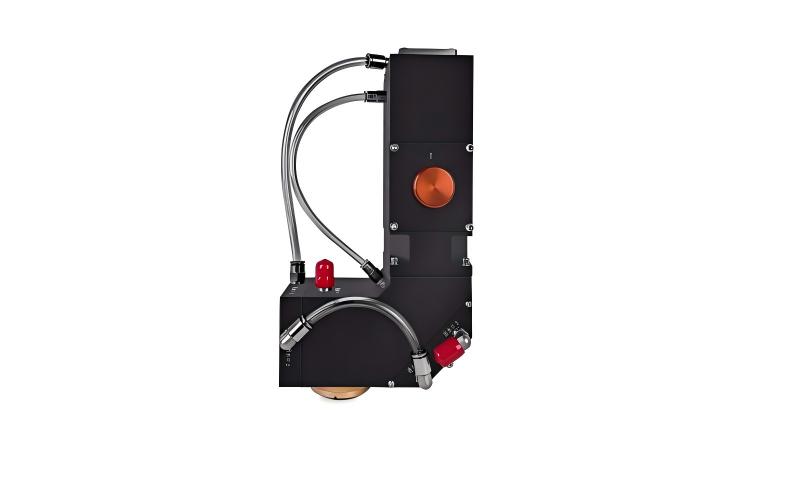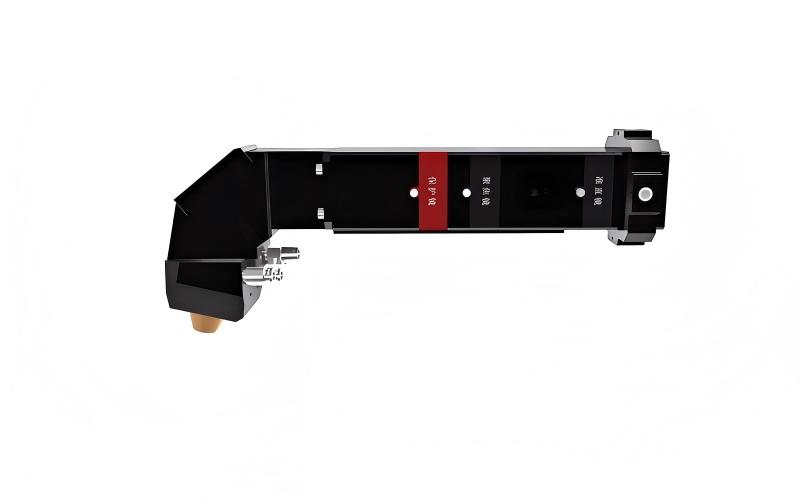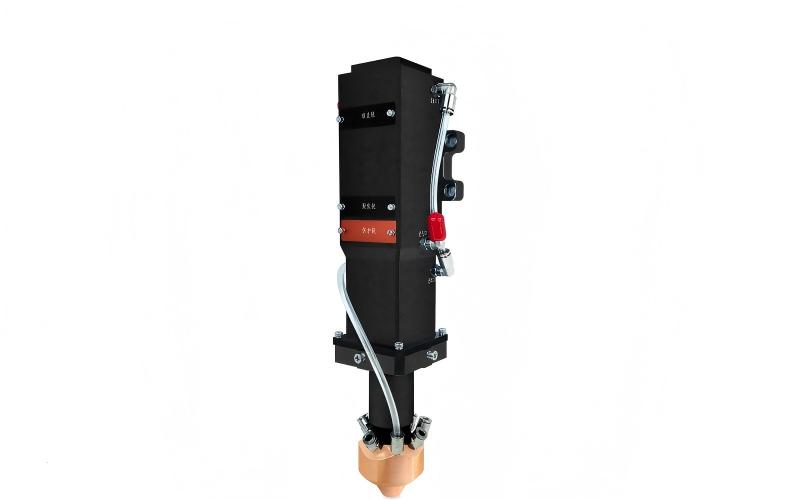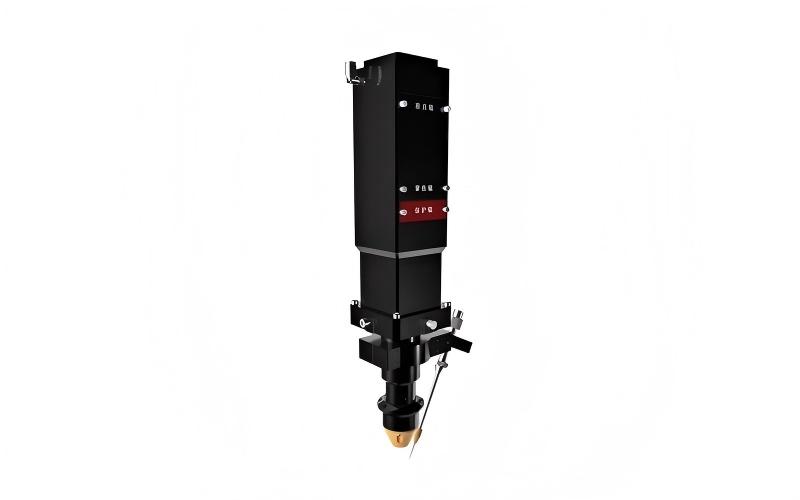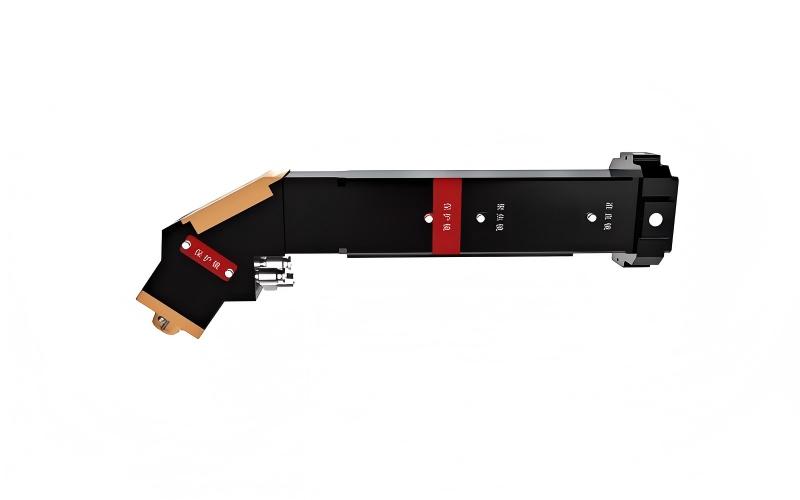
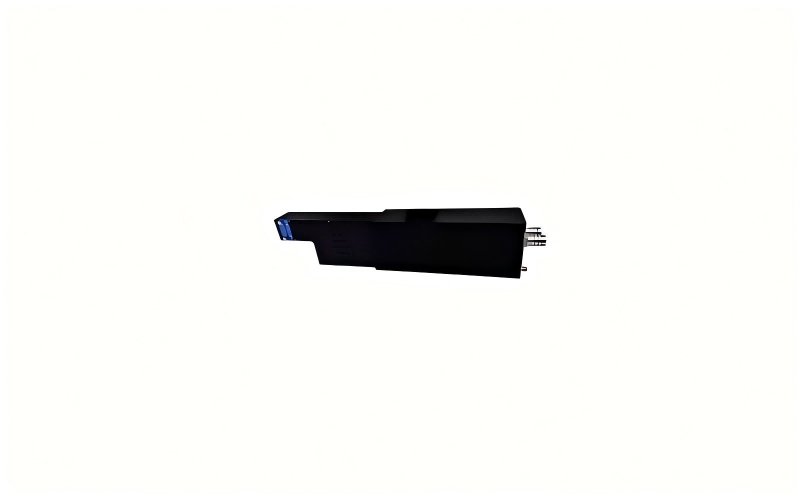

The Variable Beam Laser Hardening Head features an automatic zoom optical system that continuously adjusts the laser spot size according to the local workpiece geometry and required treatment width. Designed for precision laser surface hardening on curved, tapered, conical, and irregular surfaces, it adapts to changing profiles while supporting stable and repeatable processing across complex-shaped components.
The head supports both full-surface and selective laser hardening, allowing complete working surfaces or only designated high-wear areas to be treated. Depending on the substrate material, component geometry, and process parameters, hardening depths of up to 2 mm can be achieved. Under validated process conditions, distortion can be controlled within 0.03 mm, helping preserve dimensional accuracy and reduce or eliminate subsequent finishing for suitable applications.
For OEMs, repair centers, and system integrators seeking an automatic zoom laser hardening head for complex-shaped surfaces, this solution combines flexible beam sizing, precise treatment-area control, and low-distortion processing. It is particularly suitable for large conical surfaces, localized wear zones, and other difficult-to-follow geometries where consistent hardening quality and component integrity are critical.

|
|
| |||
| Beam Shaping | Temperature Control | Dimensional Stability | |||
Optimized optical design enables stable and uniform energy distribution for laser hardening applications. Circular, square, rectangular, or customized beam profiles can be configured according to the workpiece geometry and required hardened area. | Optional process temperature monitoring and closed-loop control can be added to improve heating consistency and reduce the risk of overheating. Process parameters can be adjusted according to material properties, hardening depth, and surface requirements. | Localized laser heating reduces excess heat input and helps minimize thermal distortion compared with conventional hardening. Dimensional stability depends on the material, geometry, process parameters, and initial condition. | |||
|
|
| |||
Modular Optical Design | Thermal Management & Protection | Industrial Integration | |||
The optical system, cooling unit, protective window, and beam-shaping modules are designed for easy maintenance and adjustment. Optical modules can be tailored for different hardening widths and workpiece shapes. | Efficient water cooling helps maintain stable operating temperatures during continuous processing. Protective design features can include dust resistance, spatter protection, sealing structures, and optional thermal monitoring for reliable operation. | Designed for integration with CNC machines, robotic systems, positioners, and automated hardening equipment. Working distance, beam size, optical interface, and motion configuration can be customized according to the application. |




Model | Performance Parameters |
Power Options | 6 kW |
Spot size at focus(mm) | 15–50 mm Variable |
Focal Length(mm) | ~260 |
Outer Dimension(mm) | 550×140×95 |
Working Distance(mm) | 9xx |
Cooling Type | Water cooling |
Water Quality Requirements | Pure water |

Gears, sprockets, and transmission components requiring flexible laser hardening across different tooth profiles.
Shafts, crankshafts, and camshafts with varying diameters requiring adaptive spot size control.
Guide rails, machine ways, and sliding surfaces requiring uniform hardening over different widths.
Molds, dies, and tooling components with complex geometries requiring precise localized heat treatment.
Engineering machinery, mining equipment, and heavy-duty wear parts requiring selective surface hardening on irregular profiles.
Multi-size production lines requiring rapid beam adjustment for high-efficiency laser hardening without changing optical components

Q1: How does the automatic zoom system work, and what types of workpiece geometries can it handle?
A1: The automatic zoom system continuously adjusts the beam size in real time to match the geometry of the workpiece. This allows the head
to adapt seamlessly to curved, tapered, and irregular surfaces — making it ideal for complex-shaped components, large conical surfaces,
and selective hardening areas where conventional fixed-beam heads would require multiple passes or manual repositioning.
Q2: What level of distortion can I expect with this variable beam hardening head, and is post-processing required?
A2: This laser hardening head enables distortion to be controlled within 0.03 mm under validated process conditions, offering
significantly improved dimensional stability compared with many conventional hardening methods. Post-processing may be reduced
or eliminated depending on the material, component geometry, initial condition, and tolerance requirements. By minimizing heat
input and localized thermal distortion, the process helps maintain dimensional accuracy and surface integrity, making it well suited
for high-precision components such as crankshafts, drive shafts, hydraulic plungers, and tapered rollers.