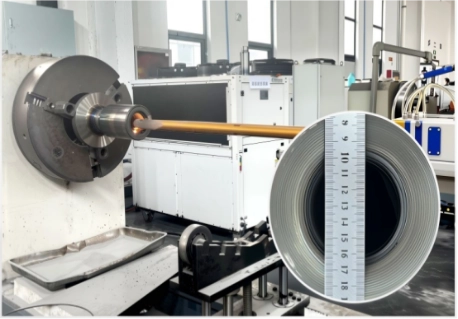
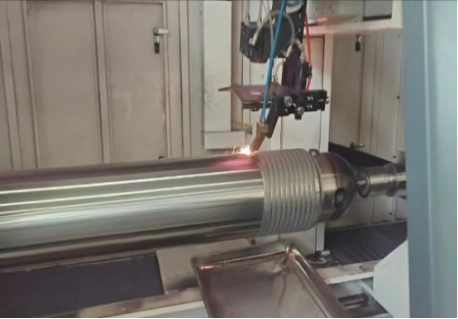
A capable laser cladding equipment supplier should customize the repair process around the actual workpiece and service conditions. In real factories, laser cladding is not a one-machine-fits-all repair method. A hydraulic rod, valve seat, mining support column, roll, sleeve, or pipe may need a different beam shape, material, feeding method, motion path, heat input, and finishing allowance.
For maintenance managers, repair shops, and plant engineers, this matters because the final goal is not just a smooth coating. The coating must bond well, resist wear or corrosion, keep distortion low, and allow final machining. A supplier that only sells equipment may not solve the full repair problem. A supplier that studies the part, tests the material, and adjusts the process can provide far more value.
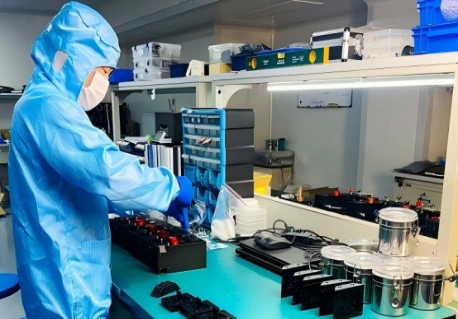
At LZ Optical, we provide laser cladding equipment, laser cladding heads, powder feeders, alloy powders, and application-based process support. Our products are built for component repair, surface strengthening, remanufacturing, and long-term industrial use.
Why Customization Matters in Laser Cladding
Factories are under pressure to repair more parts locally, reduce replacement delays, and lower material waste. This is one reason laser cladding is gaining attention in mining, oil and gas, steel, power generation, valve repair, and heavy machinery. But the process works best when it is built around the part, not forced onto it.
Start With the Workpiece
A supplier should first study the component. Shape, size, base material, wear pattern, service environment, and final tolerance all affect the process. A long shaft may need stable rotation and a wide beam. A small bore may require a compact internal cladding head. A valve sealing surface may need low dilution and good finishing behavior.
Before choosing equipment, factories should prepare:
· Workpiece drawings and photos
· Base material and hardness
· Damaged depth and area
· Required coating thickness
· Final machining allowance
· Wear, corrosion, heat, or impact conditions
· Batch size and repair cycle
· Inspection requirements
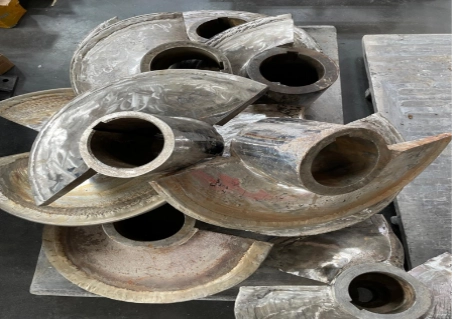
For laser cladding repair and remanufacturing projects, this first evaluation is critical. The base component may still have value, but the surface must be rebuilt with the right alloy and process window.
How Does Customization Happen?
A customized repair process should follow a clear engineering sequence. The supplier moves from workpiece analysis to material, optics, process validation, and automation so the final solution can be repeated in production.
1. Analyze the workpiece, substrate, geometry, damaged area, and service environment.
2. Identify the damage mechanism and define targets for wear resistance, corrosion resistance, hardness, thickness, distortion, and machining.
3. Select a compatible cladding material based on the substrate and operating conditions.
4. Design the beam profile, spot size, cladding head, feeding method, and access arrangement for the repair area.
5. Develop process parameters such as laser power, travel speed, feed rate, overlap, working distance, shielding gas, and heat-control strategy.
6. Test sample parts and verify coating thickness, hardness, bonding, defects, machining performance, and any required wear or corrosion results.
7. Integrate the validated process with CNC, positioners, or robots when needed, then lock the process window and support transfer to batch production.
This workflow makes customization measurable: each equipment choice and process parameter is tied to a workpiece requirement and confirmed before mass production.
Materials Should Be Selected for Real Service Conditions
Material customization should start from the service condition rather than from a powder catalog. The supplier first defines what the repaired surface must resist, how thick the layer must be, and how the part will be finished after cladding.
Different damage modes need different materials. The customization process considers substrate compatibility, wear mechanism, corrosion environment, required thickness, machining requirements, and production conditions.
Based on these inputs, the supplier can recommend an alloy family or customized composition and then confirm the choice through sample cladding and performance testing before production.
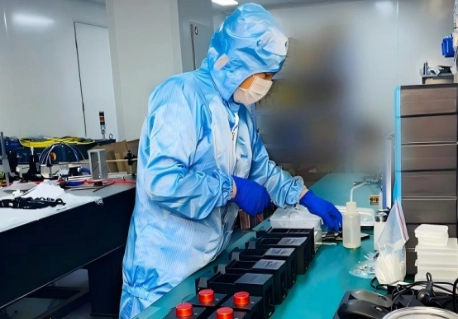
Equipment Customization Goes Beyond Laser Power
Laser power is important, but it does not decide everything. A 3 kW system and a 12 kW system can both fail if the beam shape, cladding head, powder delivery, and motion system do not match the part. The supplier should recommend the whole process route.
Match the System to the Repair Area
For large cylindrical parts, wide beams and stable rotation may be needed. For inner surfaces, access diameter and head length become more important. For irregular workpieces, robotic movement may be the better choice. This is why a custom laser cladding process should consider both equipment and the part’s physical limits.
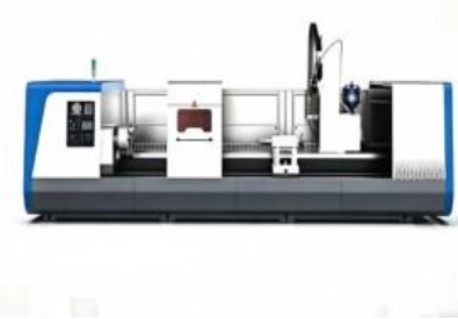
LZ Optical’s laser cladding equipment includes systems, cladding heads, powder feeders, and alloy powders. We can combine these product groups for internal bore cladding, external surface repair, large component remanufacturing, and automated production.
Typical equipment categories include:
· External surface laser cladding systems
· Inner surface laser cladding equipment
· Robotic laser cladding systems
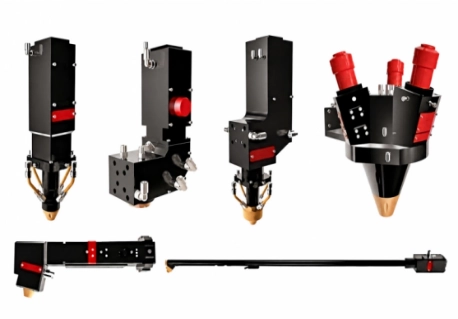
· Laser metal cladding head options
· Powder feeders
· Wire-fed cladding heads
· Laser hardening heads
· Alloy powders for wear and corrosion resistance
Choosing the Right Cladding Head
The cladding head is where laser energy, powder or wire, shielding gas, and the workpiece meet. If the head is not suitable, the process may suffer from poor powder focus, uneven coating, excess dilution, or unstable bonding.
Head Design Should Follow Geometry
A factory should ask whether the supplier is also a cladding head manufacturer. This matters because the head must match working distance, beam shape, cooling method, powder stream, fiber interface, and access space.
For external cylindrical repair, LZ Optical’s External Surface Coaxial Powder Feeding Cladding Head is suited to shafts, hydraulic rods, rollers, support columns, and pipes. It supports wide-area coating, stable multi-layer deposition, and thick protective buildup.
For wire-fed cladding applications, the supplier should evaluate material utilization, wire diameter, working distance, cooling, and deposition stability.
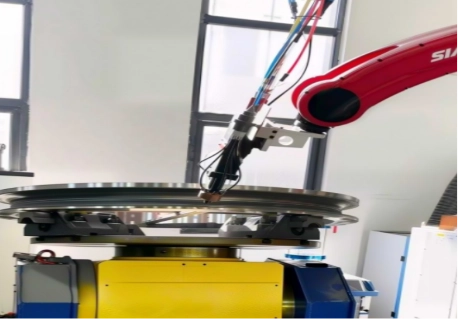
Robotic Laser Cladding for Irregular Parts
Customization may include robot integration when part geometry requires flexible motion.
Process Control and Validation
A custom process must be tested. A supplier should not only say that a system can repair a part. It should show how the result will be checked. This is especially important for critical parts used in mining, hydraulic systems, oil and gas, and valves.
Ask for Practical Proof
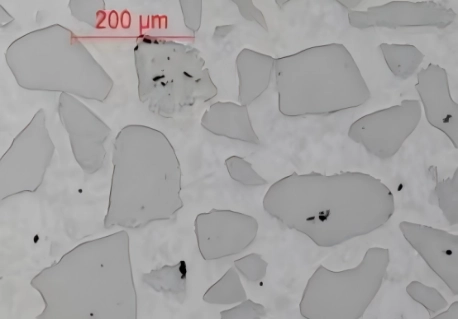
Factories should ask for sample testing before production. The supplier should provide coating cross sections, hardness data, thickness measurement, metallographic inspection, and machining feedback when needed.
A practical test may include:
· Laser power and travel speed
· Powder or wire feeding rate
· Working distance
· Shielding gas flow
· Overlap ratio
· Coating thickness
· Hardness values
· Surface finish after machining
· Pores, cracks, and bonding quality
For example, 500x metallographic images can show the cladding layer, bonding zone, and substrate. These images help check fusion quality and visible defects. The supplier should also explain which results are acceptance standards and which are reference data.
Application Case: Piston Rod Laser Cladding Repair
The following table summarizes the customized piston rod laser cladding repair case details.
Item | Details |
Workpiece | Piston rod |
Substrate material | 27SiMn |
Cladding material | BSP-1702 iron-based alloy powder |
Performance target | Improved wear resistance and corrosion resistance |
Beam profile | 2 × 26 mm wide rectangular spot |
Cladding hardness | HRC 45 or higher |
Neutral salt spray test | Grade 9 after 1,000 hours |
Surface roughness after machining | Ra < 0.4 |
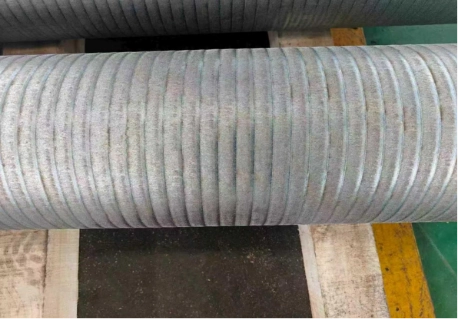
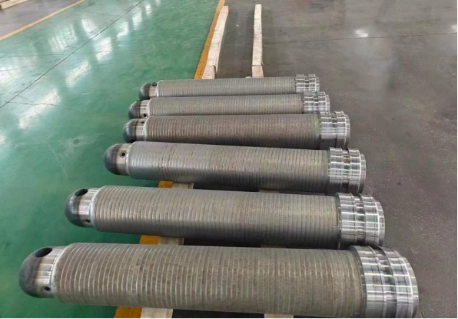
The following images show the actual piston rod laser cladding surface condition and a batch of repaired piston rods from this case.
Main Industries That Need Customized Laser Cladding
Different industries have different repair problems. The process used for a valve seat may not fit a mining support column. The process used for a steel roll may not fit an oilfield plunger. A supplier should understand the working environment before recommending a process.
Mining, Oil and Gas, Valves, and Heavy Machinery
Laser cladding in mining is often used for hydraulic support columns, cylinder barrels, piston rods, cutting picks, shafts, and sleeves. These parts face abrasion, corrosion, impact, and dirty working conditions. A custom process may need wear-resistant alloy powder, corrosion-resistant powder, or controlled heat input to protect the base part.
Other common application areas include:
· Oil and gas equipment
· Industrial valves
· Hydraulic systems
· Power generation
· Steel and metallurgy
· Marine and offshore parts
· Heavy machinery
· Industrial remanufacturing
For components that only need surface strengthening rather than material buildup, buyers comparing laser hardening head china options can review LZ Optical’s Laser Hardening Head for Surface Treatment. Laser hardening may be suitable for shafts, pipes, flat surfaces, and selective wear zones.
What to Ask Before Customizing a System
A strong laser cladding equipment supplier should make the customization path clear. The factory should know what will be tested, what will be included, and how the process will be supported after delivery.
Key Questions for Buyers
Before placing an order, ask:
· Can you test our sample part?
· Which cladding head fits this workpiece?
· What powder or wire do you recommend?
· What coating thickness can be reached?
· How will heat input and distortion be controlled?
· Can the system support future part sizes?
· What operator training is included?
· What spare parts should we keep?
· How will coating quality be verified?
· Can remote technical support be provided?
A customized system should not be vague. It should include equipment selection, material recommendation, process parameters, testing results, training, and long-term service support.
Conclusion
A laser cladding equipment supplier should customize the repair process when the part, material, damage condition, and production target require it. Industrial repair often needs a defined engineering route: analyze the workpiece, identify the damage mechanism, select the material, design the beam and cladding head, develop process parameters, test samples, and then integrate the validated process into automated or batch production.
For factories repairing mining components, hydraulic rods, shafts, valves, cylinders, sleeves, and oilfield parts, customization can reduce repair risk and improve service life. The best result comes from matching the machine, material, cladding head, and inspection method to the real workpiece.
FAQs
Q: How does a supplier customize the laser cladding process?
A: It matches the substrate, coating alloy, layer thickness, heat input, beam profile, and motion path to the workpiece.
Q: How can factories verify coating quality before production?
A: Request sample cladding, hardness testing, cross-section analysis, metallographic images, dimensional checks, and machining results.
Q: What information should factories provide before process customization?
A: Provide workpiece drawings or photos, substrate material and hardness, damaged area and depth, service conditions, required coating thickness and performance, machining allowance, batch size, and inspection requirements.