When a worn shaft, valve seat, hydraulic cylinder, or deep bore needs repair, buying a laser source alone is not enough. Results depend on optics, material feeding, motion control, parameters, inspection, and support. The best laser cladding equipment suppliers act as engineering partners rather than machine sellers.
For plant managers and OEM engineers, the question is practical: can the supplier match the coating to the base metal and turn a trial into stable production?
What a complete laser cladding supplier should provide
A supplier's value is easiest to judge across the whole project, from the first drawing to production support. A reliable partner should clarify the base material, surface failure, required geometry, and post-deposition quality checks before recommending equipment.
Application review and process planning
A serious supplier begins with the workpiece, not with a favorite machine model. The review should cover substrate material, damaged area, coating thickness, heat sensitivity, access direction, bore diameter, processing depth, and the required surface finish. It should also compare repair and new-part applications because the best process window may be different.
The output may include a process route, a suggested cladding head, laser power range, powder or wire choice, motion platform, and inspection plan. This early engineering work reduces the common mistake of selecting a head that fits the laser but cannot reach the component.
Optical design and beam control
Laser cladding is a controlled melting process. Beam shape affects heat input, track width, overlap, dilution, and surface quality. Circular spots suit focused deposition, while rectangular or annular profiles can improve coverage on large or internal cylindrical surfaces.
Suppliers should explain why a beam profile fits the application. High-power and high-speed cladding are gaining attention, but more power does not automatically produce a better coating. Optical path, working distance, travel speed, powder delivery, and cooling must work together.
Material and consumable matching
The coating must suit both the substrate and the service environment. Iron-based powders may be a practical choice for dimensional restoration and wear resistance. Nickel- and cobalt-based alloys can be considered where corrosion, heat, or severe wear is the main concern. Copper-based materials are useful for selected thermal and sliding applications.
A supplier should explain powder size, flow, dilution, and base-material compatibility. It should discuss wire-fed deposition when material utilization or continuous feeding matters. The goal is a sound process combination, not the most expensive alloy.
Product categories buyers should compare
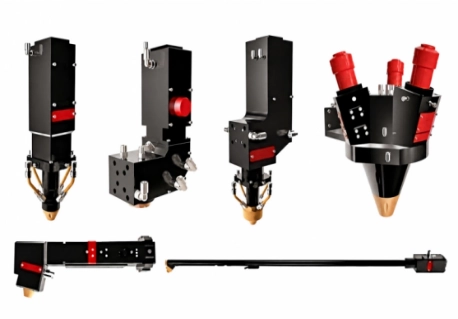
Different components need different access, energy distribution, and feeding methods. A broad range of laser cladding products lets the process follow the workpiece instead of forcing every project into one standard head. These categories are a practical starting point for comparison.
Internal bore and deep-hole equipment
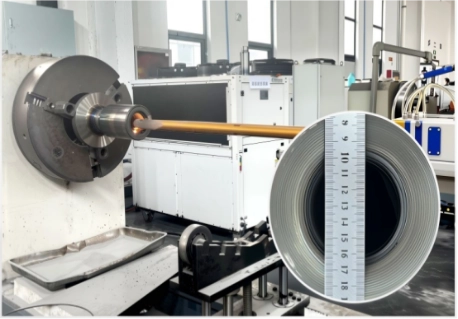
Internal surfaces are difficult because space is limited and working distance, powder delivery, shielding, and heat removal must stay controlled. Inner surface laser cladding equipment serves hydraulic cylinders, pipes, sleeves, valve bodies, pump components, bearing housings, and other deep cylindrical parts.
For large systems, LZ Optical supports workpieces up to 10 tons and 20 meters in length, with laser power from 3 kW to 30 kW. Depending on the configuration, a rectangular spot can reach 60 mm in width, while a single cladding layer may be about 0.2–2 mm. Compact heads can also support internal bores starting at approximately 50 mm, subject to the full process design.
External cylindrical and wide-beam systems
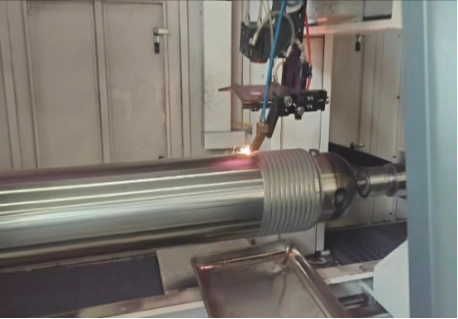
Shafts, rollers, hydraulic rods, rotors, and machine parts often need external repair or strengthening. Coaxial and annular heads keep powder flow stable. Wide-beam and flat-top solutions cover more area per pass and reduce overlap.
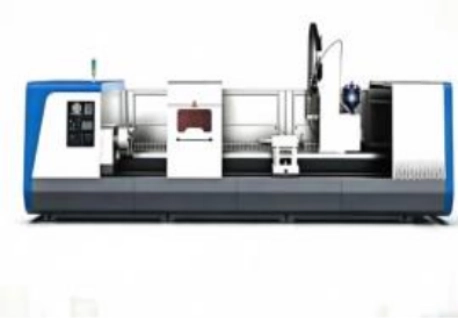
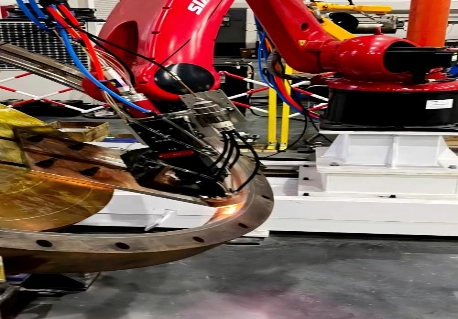
A complete offer should include motion, workholding, rotation, height following, and calibration, not only the head. For large parts, robotic or CNC integration can turn a demonstration into repeatable production.
Powder feeders, wire feeders, and hardening heads
Powder-fed systems are flexible for repair, wear protection, corrosion resistance, and remanufacturing. Wire-fed heads may be attractive where high material utilization and continuous deposition are priorities. Laser hardening heads use the beam to change the surface structure without adding filler material, which suits selected gears, shafts, guideways, molds, and complex surfaces.
When comparing laser cladding machine packages, ask whether the supplier provides the feeder, cooling, sensors, controller, and safety enclosure as one system. A good head can still give poor results when powder flow, robot motion, or thermal control is unstable.
Engineering services that turn equipment into results
Equipment is only one part of a surface-engineering project. Buyers also need a supplier that can move from a test coupon to a production component without losing control of geometry, metallurgy, and inspection. This is where application engineering and service depth become more important than a long product list.
Parameter development and sample trials
A responsible supplier should help develop laser power, spot size, powder or wire rate, travel speed, overlap, shielding, preheating, and interpass temperature. Trial pieces can reveal dilution, hardness, porosity, cracking, bonding quality, and surface finish before a valuable component enters production.
The process should be recorded in a usable format. Operators need more than a statement that the test “worked.” They need repeatable parameters, maintenance points, material batch information, and acceptance criteria.
Automation, monitoring, and integration
Recent development centers on higher power, 3D vision, teach-free paths, and closed-loop control. These tools reduce manual programming for irregular parts and limit the effect of position or temperature changes. A supplier may integrate robots or CNC, positioners, height following, CCD pool monitoring, temperature control, oscillation, and preheating. Choose features for the part and production risk.
Inspection, training, and field support
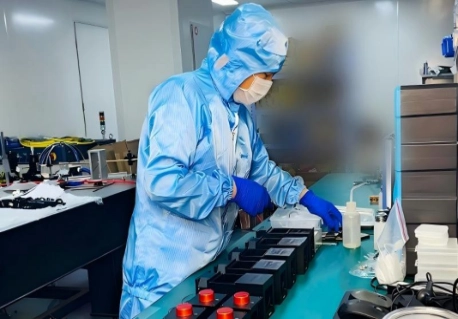
Post-cladding service should cover dimensions, visual inspection, hardness, metallography, and application-specific tests. Training should include safe operation, head alignment, feeder cleaning, optical protection, powder handling, and fault diagnosis. For distant installations, response channels, spare parts, remote help, and process records protect uptime; service access can matter as much as purchase price.
Main industries and material demands
The strongest applications are usually those where a valuable component fails at the surface while the core remains usable. Laser cladding can restore dimensions or add a selected alloy without replacing the entire part, but the process must reflect the working environment.
Mining and hydraulic equipment
Hydraulic rods, supports, cutting tools, conveyor parts, and machine shafts face impact, abrasion, and contamination. Wear-resistant coatings and accurate repair can extend service life while reducing the need for new components. Internal cylinders also require careful bore access and control of distortion.
Oil, gas, valves, and pressure equipment
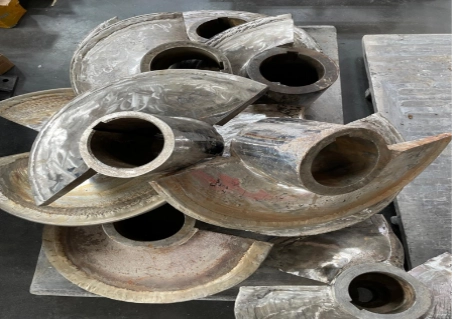
Valve seats, bodies, plungers, drill collars, tubular parts, and hydraulic components may face corrosion, pressure, sliding contact, and wear. Alloy choices should reflect the medium, temperature, load, and repair allowance. Deep-bore equipment helps when access is limited.
Power generation and heavy machinery
Shafts, rollers, rotors, sleeves, and other high-value parts can benefit from external cladding, dimensional restoration, and selective hardening. The business case is strongest when downtime is costly and the original component has a sound structural core.
How to evaluate a supplier before purchase
Before requesting a quotation, prepare the drawing, base material, dimensions, damage, target coating, volume, available power, and automation preference. Ask the supplier how each detail affects the proposed system.
A useful supplier comparison should include:
· A clear process route for your actual component, not only a catalogue description.
· Test evidence covering bonding, hardness, dilution, cracking, porosity, and dimensional accuracy.
· A defined list of included equipment, software, sensors, feeders, cooling, safety, and tooling.
· A plan for training, spare parts, remote support, and on-site commissioning.
· A realistic explanation of limitations, cycle time, coating allowance, and post-machining needs.
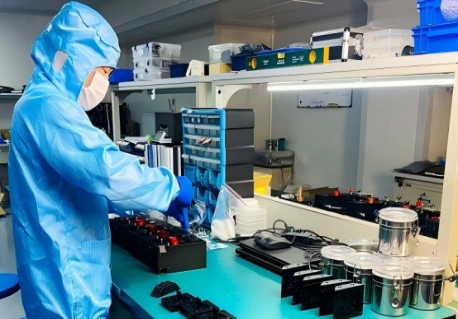
LZ Optical combines laser cladding heads, powder feeders, alloy powders, equipment, optical design, process development, and system integration. In our projects, we focus on the geometry and service condition first, then select the beam, feeding method, and automation route. Buyers can review our industrial laser cladding head selection guide, inner surface laser cladding equipment, and robotic laser cladding system before discussing a project with our engineering team.
Conclusion
The best laser cladding equipment suppliers offer more than a machine. They provide application review, beam design, material selection, parameter development, automation, inspection, training, and field support. This service model matters because coating quality depends on connected variables: substrate, alloy, geometry, beam profile, feed stability, heat, motion, and finishing. As high-power systems, robotic path planning, monitoring, and advanced alloys develop, buyers should judge suppliers by their ability to solve a real component problem and repeat the result in production. A strong partner reduces downtime, protects valuable parts, and makes surface repair a reliable manufacturing process.
FAQs
Q: How should a supplier determine the right beam profile for a laser cladding application?
A: The beam profile should be selected according to the workpiece geometry, required track width, heat input, overlap, dilution, working distance, and deposition efficiency. Circular spots are suitable for focused deposition, while rectangular or annular beams are often better for large-area or cylindrical surfaces.
Q: What process parameters should be validated before moving from sample testing to production?
A: Key parameters include laser power, spot size, powder or wire feed rate, travel speed, overlap ratio, shielding gas, preheating, and interpass temperature. Trial samples should also be checked for dilution, hardness, porosity, cracking, bonding quality, and final surface finish.
Q: What should be considered when designing laser cladding equipment for internal bores or deep holes?
A: The supplier should evaluate bore diameter, processing depth, head access, working distance, powder delivery, shielding, heat removal, and motion control. Compact internal cladding heads may be required when space is limited, while the full system must still maintain stable feeding and consistent deposition.